
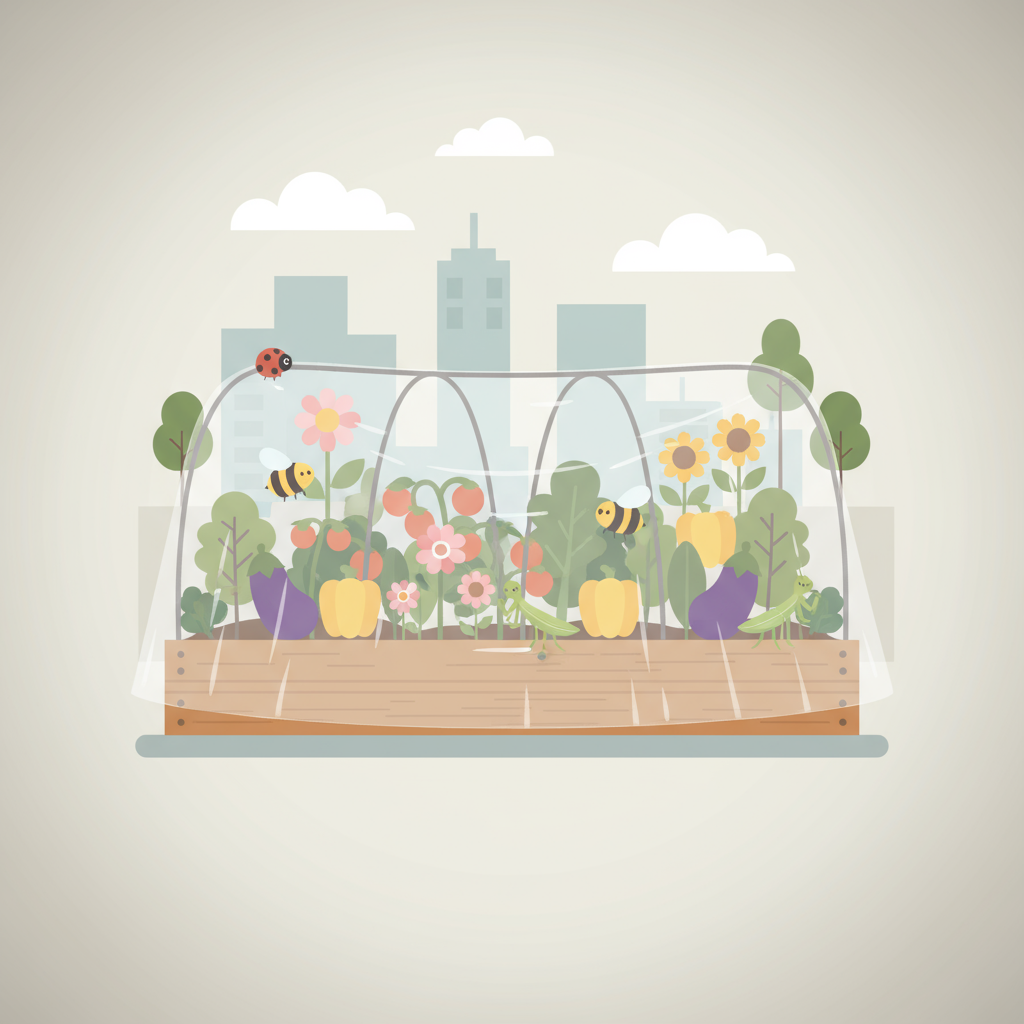
Keeping your garden thriving in the city can feel like a nonstop battle against pests. From aphids to caterpillars, these tiny enemies can damage your plants and ruin your harvest.
Luckily, there are simple daily habits to reduce plant pests naturally without harsh chemicals. These habits work with nature, making your garden healthier and more balanced over time.
In this article, you will discover easy-to-follow daily habits designed especially for urban gardeners that help keep pests under control and protect your garden’s bounty.
Your 3 Simple Daily Habits to Help Reduce Plant Pests
Habit 1 — Practice Companion Planting
Why: Companion planting reduces plant pests by creating a diverse garden ecosystem that naturally repels harmful insects and attracts beneficial predators.
How: Plant pest-repelling herbs like garlic, chives, and fragrant herbs alongside your vegetables. Include nectar-rich flowers like sweet alyssum to invite ladybugs and lacewings that eat pests.
Cue: When you water your garden each morning, check your companion plants and visualize the protective barrier they create for your vegetables.
Habit 2 — Use Physical Barriers
Why: Barriers block pests from reaching your plants, protecting your garden without needing sprays.
How: Set up fine garden mesh or row covers over your plants early in the season to prevent pests like moths and aphids from landing and feeding. Use cages or fencing to keep out larger animals like squirrels.
Cue: Right after planting new seedlings, install barriers so it’s part of your routine before focusing on growth.
Habit 3 — Scout and Prune Regularly
Why: Daily checks let you spot pest problems early, so you can remove pests or damaged leaves before things get out of hand.
How: Each day while harvesting or watering, take a few minutes to inspect leaves for pests. Remove and dispose of infested leaves or handpick caterpillars and other pests.
Cue: Link this habit to your daily garden care routine, such as right after watering or before picking fresh vegetables for meals.
Week 1 Schedule
| Day | Habit 1 | Habit 2 | Habit 3 |
|---|---|---|---|
| Monday | Plant companion herbs or flowers | Install new mesh barriers | Scout and prune infested leaves |
| Tuesday | Check companion plant health | Ensure barriers are secure | Inspect for pests during watering |
| Wednesday | Add nectar-rich flowers | Fix any gaps in barriers | Remove any visible pests by hand |
| Thursday | Water companion plants | Adjust barriers if plants grow | Prune damaged or old leaves |
| Friday | Observe beneficial insects visiting plants | Check mesh for holes or damage | Scout for new pest damage signs |
| Saturday | Plan next companion plants | Clean barriers if needed | Handpick pests during harvest |
| Sunday | Rest day – observe overall garden balance | Rest day – monitor barriers | Rest day – lightly prune if needed |
Troubleshooting
Barrier: Forgetting to install or adjust physical barriers.
Fix: Tie barrier installation to planting days and make barrier checks part of your daily garden walk to reduce pest exposure early.
Barrier: Difficulty identifying pests or signs of infestation.
Fix: Use a simple pest identification app or local extension resources to learn common pests. Regular scouting builds your confidence and skill.
Barrier: Feeling overwhelmed by daily garden tasks.
Fix: Keep tasks short and connected to existing routines, like inspecting plants during watering or harvesting to make the habits sustainable.
FAQs
Q: How soon can I see results from these daily habits to reduce plant pests?
A: You may notice fewer pests within a few weeks as companion plants attract beneficial insects and barriers reduce pest access. Consistency is key with these daily habits.
Q: Are physical barriers safe for pollinators?
A: Yes, if you remove barriers during the day when pollinators are active and replace them at night to block pests, you protect your plants while supporting pollination.
Q: What if some pests still get through despite these habits?
A: Some pests are inevitable, but these habits reduce their numbers significantly. Handpicking pests and maintaining plant health help keep pest populations manageable without harmful sprays.
Tracking & Motivation Tips
Use a simple garden journal or app to track your daily pest reduction habits. Note where you installed barriers, checked plants, and any pests seen or removed. Tracking helps maintain accountability and lets you notice patterns, signaling when adjustments are needed. Celebrate small wins like spotting a ladybug or a pest-free week to stay motivated on your path to a healthier garden.
Key Takeaways for Reducing Plant Pests with Daily Habits
Reducing plant pests naturally in your urban garden is entirely possible with consistent, simple daily habits. Companion planting creates a natural pest defense, physical barriers block unwanted visitors, and daily scouting keeps you on top of issues before they spread. These habits work best as a team and when built into your daily garden care routine, they help you nurture a thriving, healthy garden without synthetic chemicals.