
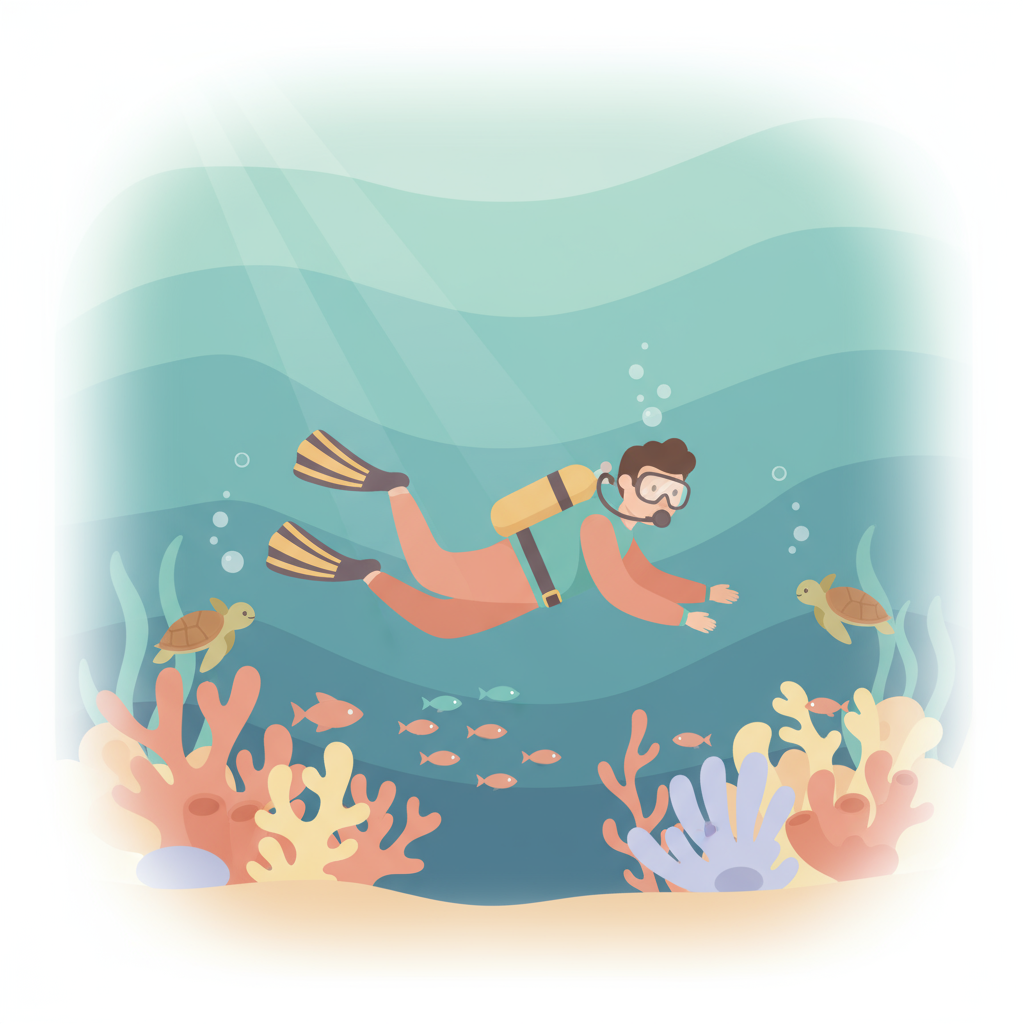
Mastering buoyancy control underwater can often feel like an elusive skill, especially for sea dwellers seeking greater freedom beneath the waves. Unsteady movement, sudden sinking or floating, and excess air consumption can all get in the way of enjoying a smooth dive.
Luckily, by incorporating a few simple, consistent daily habits focused on breath control, weight management, and body positioning, you can steadily gain confident control over your buoyancy. These habits will help you swim effortlessly, conserve energy, and be gentler on the beautiful marine environments you explore.
In this article, you’ll discover straightforward daily habits that any diver can use to unlock mastery of buoyancy control and transform every dive into a graceful underwater dance.
Your 3 Daily Habits to Master Buoyancy Control
Habit 1 — Practice Diaphragmatic Breathing
Why: Breath control is fundamental to mastering buoyancy control. When you inhale deeply using your diaphragm, you increase your buoyancy, and when you exhale slowly, you reduce it. Developing this skill helps you make subtle, natural adjustments without constantly fiddling with your equipment.
How: Each day, practice slow, deep breaths focusing on expanding your belly more than your chest. Inhale for 5 to 7 seconds and exhale gently for 7 seconds. Try this even when not diving to build muscle memory.
Cue: Use the start of each day or just before a dive as your reminder to take 5 deep diaphragmatic breaths slowly and mindfully.
Habit 2 — Perform a Weight and Gear Check
Why: Proper weight distribution and gear familiarity are key to maintaining neutral buoyancy. Overweighting or uneven weight placement can cause poor positioning, increased effort, and quicker air depletion.
How: Regularly review your ballast weight calculations based on your body, wetsuit thickness, and tank. Ensure weights are evenly distributed around your waist and consider ankle or hand weights to keep your legs stable.
Cue: Make a habit of jotting down or tracking your weight setup each time you prepare for a dive or adjust your gear.
Habit 3 — Visualize and Maintain Horizontal Body Positioning
Why: A streamlined, horizontal posture underwater reduces drag and makes buoyancy easier to control. It also conserves your energy and air consumption.
How: Spend a few minutes each day visualizing being perfectly balanced horizontally in the water. When diving, focus on keeping your fins aligned behind you and your body flat like you’re floating on a pool lounge.
Cue: Before starting any dive or practice session, remind yourself to check your trim and consciously adjust to the horizontal.
Week 1 Schedule
| Day | Breathing Exercise | Weight & Gear Review | Body Position Practice |
|---|---|---|---|
| Monday | 5 minutes of diaphragmatic breathing | Check current weight setup and note changes | Visualize horizontal posture for 5 minutes |
| Tuesday | Breath control practice using a timer | Weight check if preparing for a dive | Practice floating horizontally in a pool or shallow water |
| Wednesday | Repeat diaphragmatic breathing | Review gear for streamlining and adjust weights | Visualize horizontal posture during brief meditation |
| Thursday | Focused breathing practice before dive | Pre-dive buoyancy check in water | Consciously maintain trim during dives |
| Friday | Light breath control and relaxation | Make notes for any weight adjustments | Body positioning visualization or pool floating |
| Saturday | Deep breathing exercises at home or pool | Gear maintenance and weight balance check | Body positioning drill in water if possible |
| Sunday | Breathing review and light practice | Reflect on week’s progress and adjust plan | Relaxed visualization and mindful body awareness |
Troubleshooting
Barrier: Difficulty maintaining a steady horizontal position underwater.
Fix: Break the problem into parts by focusing on even weight distribution first, then practice body positioning habits daily. Using fins gently and maintaining slow, controlled breathing will help stabilize posture.
Barrier: Overuse or underuse of air in the buoyancy control device causing unstable buoyancy.
Fix: Use your breath as your primary buoyancy control method as much as possible. Add or release air from your device in small, patient increments only when necessary.
Barrier: Forgetting to track or adjust ballast weight for different dive environments.
Fix: Build a habit of recording your weight setup after each dive. Review and update it to suit water type, wetsuit thickness, and equipment changes.
FAQs
Q: How long does it usually take to master buoyancy control?
A: Mastery varies by individual, but consistent practice with these daily habits can lead to noticeable improvement in weeks to months. Patience and regular diving practice are key.
Q: Can I practice buoyancy control without diving?
A: Yes. Practicing diaphragmatic breathing and body positioning visualization on land or in a pool helps build muscle memory and awareness that transfers well underwater.
Q: How do I know if I have the right ballast weight?
A: Perform a buoyancy check by fully exhaling and deflating your BCD at about 5 meters of depth. You should float at eye level and slowly descend when exhaling. Adjust your weight based on these observations.
Tracking & Motivation Tips
Keeping a simple log of your weight setups, breathing exercises, and body positioning practice after every dive helps you identify patterns and improvements over time. Celebrate small wins, like longer dive times or steadier positioning. Positive feedback makes sticking to daily habits easier and enjoyable.
Key Takeaways for Mastering Buoyancy Control
Mastering buoyancy control is achievable through consistent daily habits that address breath control, weight management, and body positioning. These habits conserve air, extend dive times, reduce fatigue, and protect fragile underwater ecosystems. Remember, progress takes patience, so stay consistent and enjoy the transformative effect of graceful, effortless diving.