
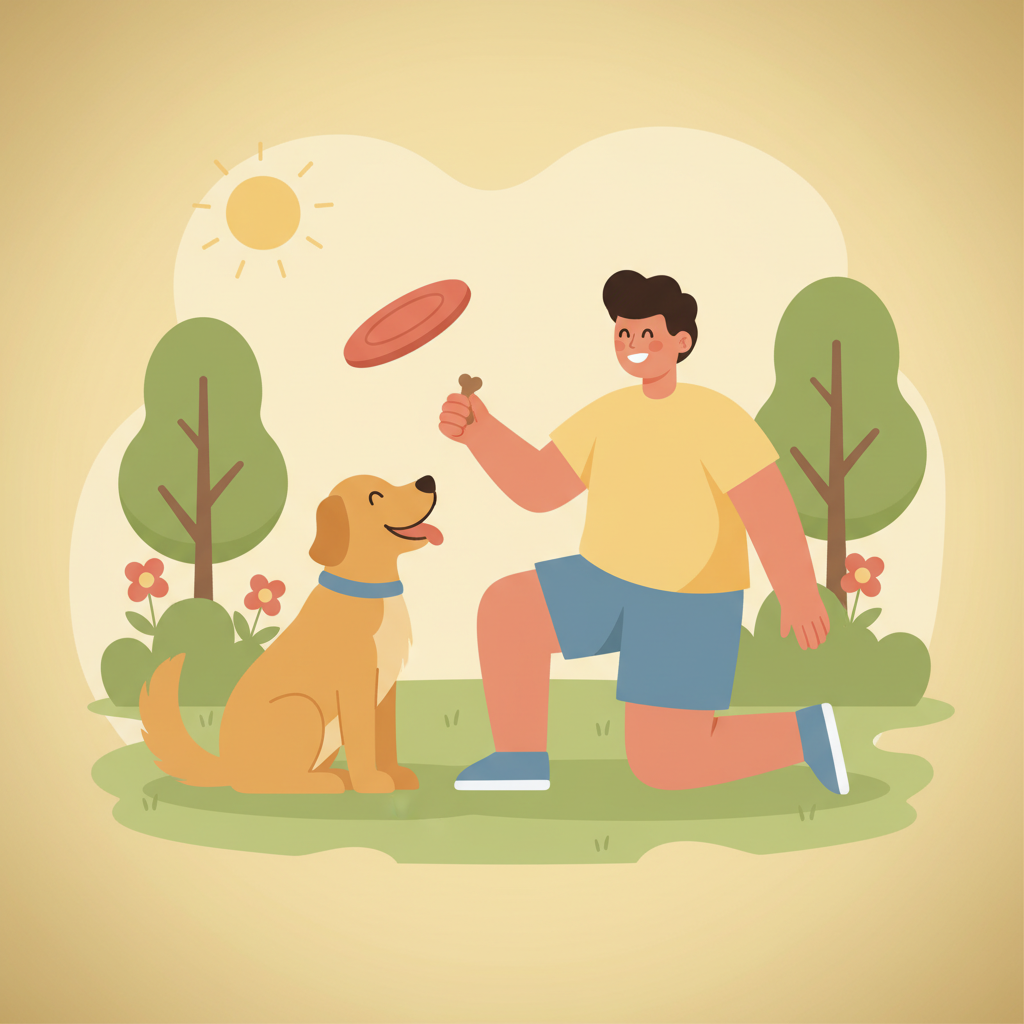
Training your pet can sometimes feel overwhelming, especially when you want to improve your dog’s behavior but don’t know where to begin. You might struggle with distractions, inconsistent responses, or your pet not understanding commands.
The good news is that by adopting simple, effective daily habits, you can steadily improve pet training over time. Science-backed methods like positive reinforcement and understanding your pet’s behavior will make training more enjoyable and effective for both of you.
In this article, you will discover three proven daily habits that animal lovers can apply with ease to improve pet training. These approaches focus on building trust, communication, and consistency that lead to lasting results.
Your 3 Daily Habits To Improve Pet Training
Habit 1 — Use Positive Reinforcement Consistently
Why: Positive reinforcement motivates your pet to repeat good behavior by rewarding it, making training effective and enjoyable.
How: Give your pet a treat, praise, or play immediately after they perform the desired action, such as sitting or walking calmly on a leash.
Cue: Pick a common moment, like each time your pet follows a command, to reward them consistently.
Habit 2 — Practice Short, Frequent Training Sessions
Why: Pets have short attention spans, so short sessions keep them engaged and reduce frustration.
How: Spend 5 to 10 minutes a few times daily teaching commands or practicing walks. Keep sessions fun with a mix of commands and play.
Cue: Schedule training around daily routines like after meals or before walks.
Habit 3 — Observe and Respond to Your Pet’s Body Language
Why: Understanding your pet’s signs of stress or excitement helps you adjust training, ensuring your pet stays comfortable and receptive.
How: Watch for cues such as yawning, panting, or avoidance to know when to ease up or change activities.
Cue: Before and during training sessions, check your pet’s behavior and adjust if needed.
Week 1 Schedule
| Day | Training Focus | Duration |
|---|---|---|
| Monday | Positive reinforcement for sit and stay | 10 mins |
| Tuesday | Short leash walking practice | 10 mins |
| Wednesday | Play and reward calm greeting behavior | 5 mins |
| Thursday | Observe body language and reward calm responses | 10 mins |
| Friday | Recall command practice with treats | 10 mins |
| Saturday | Fun obedience games and praise | 15 mins |
| Sunday | Rest and gentle observation of stress cues | 5 mins |
Troubleshooting
Barrier: Your pet loses interest quickly during training.
Fix: Keep training sessions short and fun. Use your pet’s favorite treats or toys to maintain motivation and take breaks if needed to improve how you improve pet training.
Barrier: Inconsistent training responses from family members.
Fix: Create clear commands and share training habits with everyone interacting with your pet to keep responses consistent and improve pet training reliably.
Barrier: Your pet shows signs of stress during training.
Fix: Watch for stress signals and adjust training pace. Use positive reinforcement and avoid pushing your pet beyond their comfort level to improve pet training outcomes.
FAQs
Q: How long does it take to improve pet training?
A: With consistent daily habits focusing on positive reinforcement and observation, many pets show improvement within weeks, though every pet learns at their own pace improving pet training.
Q: Can older pets learn new behaviors?
A: Absolutely. With patience and positive methods, even older pets can learn new commands and improve their behavior over time to enhance pet training.
Q: What if my pet does not respond to training?
A: Consider consulting a professional trainer for personalized advice. Also, ensure your methods are consistent, positive, and include frequent rewarding to improve pet training effectiveness.
Tracking & Motivation Tips
To improve pet training, keep a simple log of daily training sessions noting what commands you practiced and your pet’s responses. Celebrate small wins to stay motivated. Use reminders or set specific times in your day dedicated to training to build your habits consistently.
Key Takeaways To Improve Pet Training
Improving pet training is fully achievable by adopting simple daily habits. Use positive reinforcement consistently, keep sessions short and fun, and observe your pet’s body language to tailor your approach. These habits build trust, reduce stress, and make training an enjoyable experience for you and your pet.
Join the Waitlist
Ready to put these habits into action? Dayspire helps you reach any goal with simple daily habits. Join the waitlist now to be the first to get invited to Dayspire!