
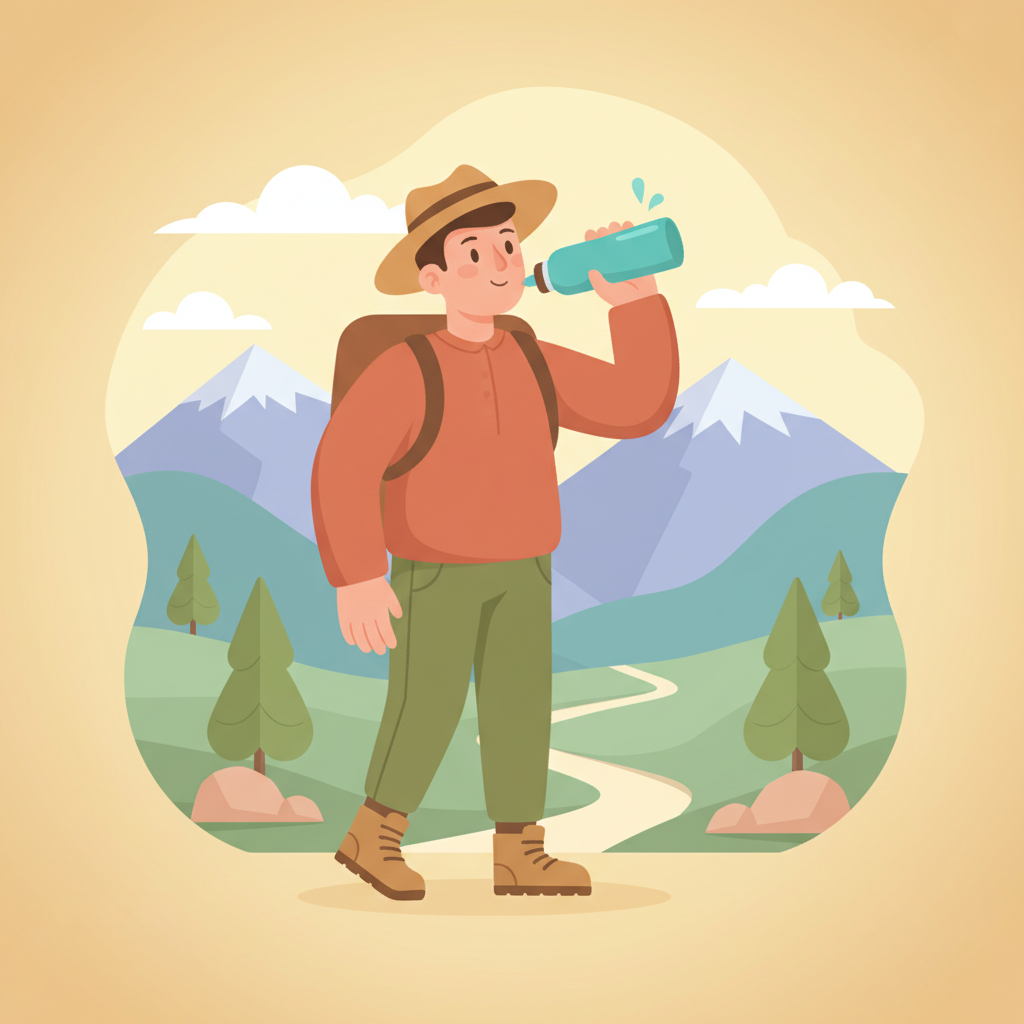
Enjoying the mountains is one of the best ways to connect with nature and stay active. But one challenge many mountain lovers face is staying hydrated outdoors, especially at high altitudes or during strenuous activities.
Thankfully, developing simple daily habits can make hydration feel natural and easy no matter your adventure. By tuning into your body and planning ahead, you can keep your energy up and avoid common pitfalls like dehydration or fatigue.
In this article, you’ll discover straightforward daily habits to help you stay hydrated outdoors and fully enjoy every mountain moment.
Your 3 Simple Daily Habits to Stay Hydrated Outdoors
Habit 1 — Prehydrate Every Morning
Why: Staying hydrated outdoors starts before you even step outside. Prehydrating boosts your fluid levels so your body is ready for mountain air and activity, which often increase water loss.
How: Begin your day with at least one full glass (8-12 ounces) of water before breakfast. Adding a pinch of natural salt or a squeeze of lemon can also help balance electrolytes and make water more appealing.
Cue: Place a water bottle on your bedside table every night as a reminder to drink first thing in the morning.
Habit 2 — Carry and Sip Water Regularly During Outdoor Activities
Why: In mountain environments, altitude, temperature, and exertion level can all speed up dehydration. Regular sipping keeps your fluid levels steady and prevents energy dips.
How: Use a reusable water bottle or hydration pack that is easy to access. Aim to take small sips every 15-20 minutes instead of large gulps when thirsty. Adding electrolyte tablets can replace minerals lost through sweat.
Cue: Set hourly reminders on your phone or use hydration apps while outdoors to encourage consistent intake.
Habit 3 — Monitor Your Hydration Signs and Adjust Intake
Why: Everyone’s hydration needs differ depending on weather, activity, and personal health. Recognizing your body’s signals helps you adjust your water and electrolyte intake accordingly.
How: Check the color of your urine—it should be a light yellow or champagne color. If it is darker, drink more fluids. Also, watch for signs like dry mouth, dizziness, or fatigue. Increase water and electrolyte consumption in response.
Cue: Make it a habit to check hydration signs when you take breaks during your outings.
Week 1 Schedule
| Day | Habit 1 | Habit 2 | Habit 3 |
|---|---|---|---|
| Monday | Drink glass of water before breakfast | Use reusable bottle, sip every 20 min outdoors | Check urine color after activity |
| Tuesday | Drink glass of water before breakfast | Set phone hydration reminder hourly | Note any dry mouth or fatigue symptoms |
| Wednesday | Add lemon or salt to morning water | Carry electrolyte tablets to add to water | Adjust water intake if urine is dark |
| Thursday | Repeat morning water habit | Sip water every 15-20 minutes outside | Assess hydration signs during breaks |
| Friday | Stay consistent with prehydration | Try hydration pack or bottle for ease | Respond to fatigue or dizziness with fluids |
| Saturday | Prepare water with electrolytes in morning | Keep water visible and accessible outdoors | Hydrate more if strenuous hiking planned |
| Sunday | Reflect on hydration habits this week | Plan improved water strategy for next week | Make note of what worked and adjust |
Troubleshooting
Barrier: Forgetting to drink water regularly while hiking.
Fix: Use your phone alarm or hydration apps as reminders to sip water, making it a routine during breaks and while on the move.
Barrier: Water tastes boring or you dislike plain water.
Fix: Add natural flavor boosters like lemon slices, cucumber, or electrolyte tablets to make hydration more enjoyable and encourage intake.
Barrier: Carrying enough water gets heavy for long outdoor trips.
Fix: Use hydration bladders that distribute weight evenly, and carry portable water filters or purification tablets to refill safely from natural sources.
FAQs
Q: How much water should I drink daily to stay hydrated outdoors?
A: It depends on your activity level and conditions, but a good target is 2 to 4 liters daily. Increase intake if you are hiking strenuously, in hot weather, or at high altitude.
Q: Are electrolyte drinks necessary for mountain hiking?
A: Electrolytes help replace minerals lost through sweat and support muscle and nerve function. Adding electrolyte tablets or drinks can enhance hydration, especially on longer or more intense hikes.
Q: Can I count tea or coffee toward my hydration?
A: While tea and coffee contain water, they have mild diuretic effects. Plain water and electrolyte solutions are better choices for staying hydrated outdoors.
Tracking & Motivation Tips
Use small journaling or mobile hydration apps to track your daily fluid intake and symptoms of hydration. Set achievable goals, log water consumption before and during outdoor activities, and reward yourself for consistency. Tracking helps make staying hydrated a conscious, manageable daily habit that becomes second nature over time.
Key Takeaways for Staying Hydrated Outdoors
To stay hydrated outdoors, mountain lovers should start by prehydrating each morning, carry water and sip steadily during activities, and listen to their body’s hydration signals every day. These simple daily habits keep energy levels steady, help adjust to altitude, and prevent dehydration so your mountain adventures stay safe and enjoyable.
Join the Waitlist
Ready to put these habits into action? Dayspire helps you reach any goal with simple daily habits. Join the waitlist now to be the first to get invited to Dayspire!