
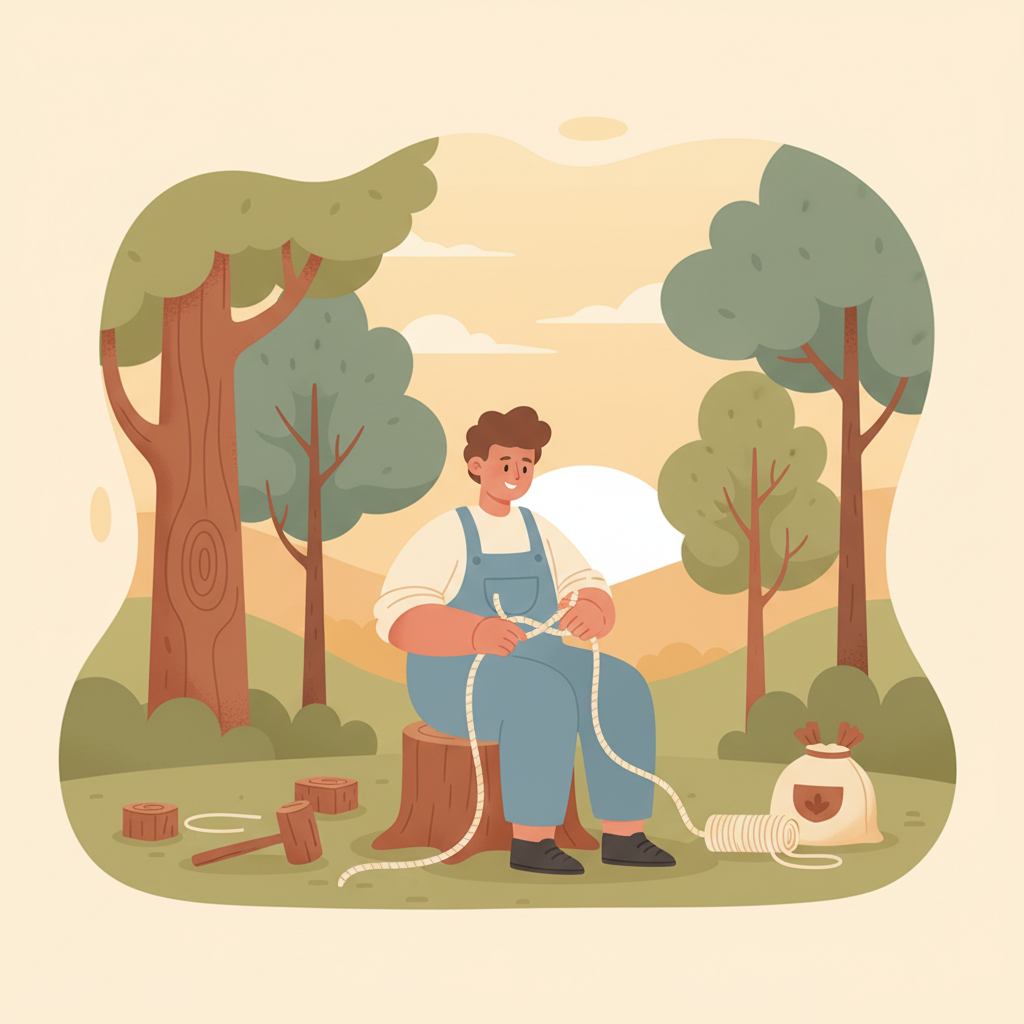
If you love the country life, mastering knot tying is a practical and rewarding skill that can improve your outdoor adventures, farming tasks, and survival readiness. Whether you are securing your gear, setting up a shelter, or helping around the homestead, knowing the right knots can be incredibly useful.
The good news is, you can build up your knot tying skills bit by bit with simple daily habits. With easy practice steps, reinforced by repetition, mastering knots won’t feel overwhelming or complicated.
By adopting a few daily habits around knot tying, you’ll gain confidence and dexterity, making it second nature to tie knots that hold strong when needed most. Let’s explore the three most effective habits to help country lovers master knot tying.
Your 3 Daily Habits to Master Knot Tying
Habit 1 — Practice Foundational Knots Daily
Why: Master knot tying begins with knowing a few key knots that are versatile and widely used in country and outdoor settings. Practicing these daily helps build muscle memory.
How: Spend 5–10 minutes each day practicing knots like the bowline, clove hitch, and trucker’s hitch. These are practical for securing loads, tying animals, or setting up tarps.
Cue: Tie your knots after waking up or before bedtime, making it part of your routine.
Habit 2 — Keep a Rope handy to Practice Anywhere
Why: Having the right tools within reach removes friction of starting and allows you to practice spontaneously. Muscle coordination improves with regular hands-on work.
How: Carry a small length of rope or paracord in your pocket or vehicle. Whenever you have a moment – waiting in line, during breaks, or outside – pull out your rope and tie a knot or two.
Cue: Make this your mini skill-building during down time.
Habit 3 — Apply Your Knot Skills to Real Tasks
Why: Practicing in context ensures you understand knot usefulness and learn how to adjust knots for different situations. This cements your learnings.
How: Use your knots for everyday country tasks: tying bundles, securing fences, hanging fruit bags in trees, or hiking gear.
Cue: Before starting any outdoor chore, plan to use a knot you’re practicing.
Week 1 Schedule
| Day | Activity |
|---|---|
| Monday | Learn and practice bowline knot for 10 minutes |
| Tuesday | Tie clove hitch knot 5 times during routine outdoor tasks |
| Wednesday | Practice trucker’s hitch knot and test its tightening ability |
| Thursday | Carry a rope all day and practice half hitch knots during breaks |
| Friday | Use knots to secure garden or farm equipment |
| Saturday | Combine knots into a practical setup (e.g., tarp tie-downs) |
| Sunday | Review and repeat favorite knots, tie safety/stopper knots |
Troubleshooting
Barrier: Feeling frustrated when you forget knot steps.
Fix: Use a reference video or diagram to review steps and practice one knot at a time to build mastery.
Barrier: Not having rope handy for regular practice.
Fix: Keep a small length of paracord in your bag or car, ideally in a dedicated pouch.
Barrier: Knots slipping or coming undone.
Fix: Focus on dressing and tightening your knots after tying and practice adding safety or stopper knots to secure ends.
FAQs
Q: How long does it take to master knot tying?
A: With daily practice and using your knots for real tasks, many beginners gain confidence within a few weeks.
Q: Do I need special rope to practice master knot tying?
A: No, any type of rope, paracord, or even shoelaces can work well for practice.
Q: What is the best knot to start with?
A: The bowline is a great beginner knot since it creates a fixed loop and is widely used.
Tracking & Motivation Tips
Track your practice daily by noting the knots you practiced and the time spent. Celebrate small wins like confidently tying a tricky knot or successfully applying a knot in a task. Set reminders on your phone and involve friends or family to practice knots together for motivation.
Key Takeaways to Master Knot Tying
Master knot tying is achievable for country lovers by practicing just a few key knots daily, keeping rope handy to practice anywhere, and applying knots in real outdoor tasks. Building these easy daily habits makes knot tying a natural and useful skill in your outdoor and country lifestyle.