
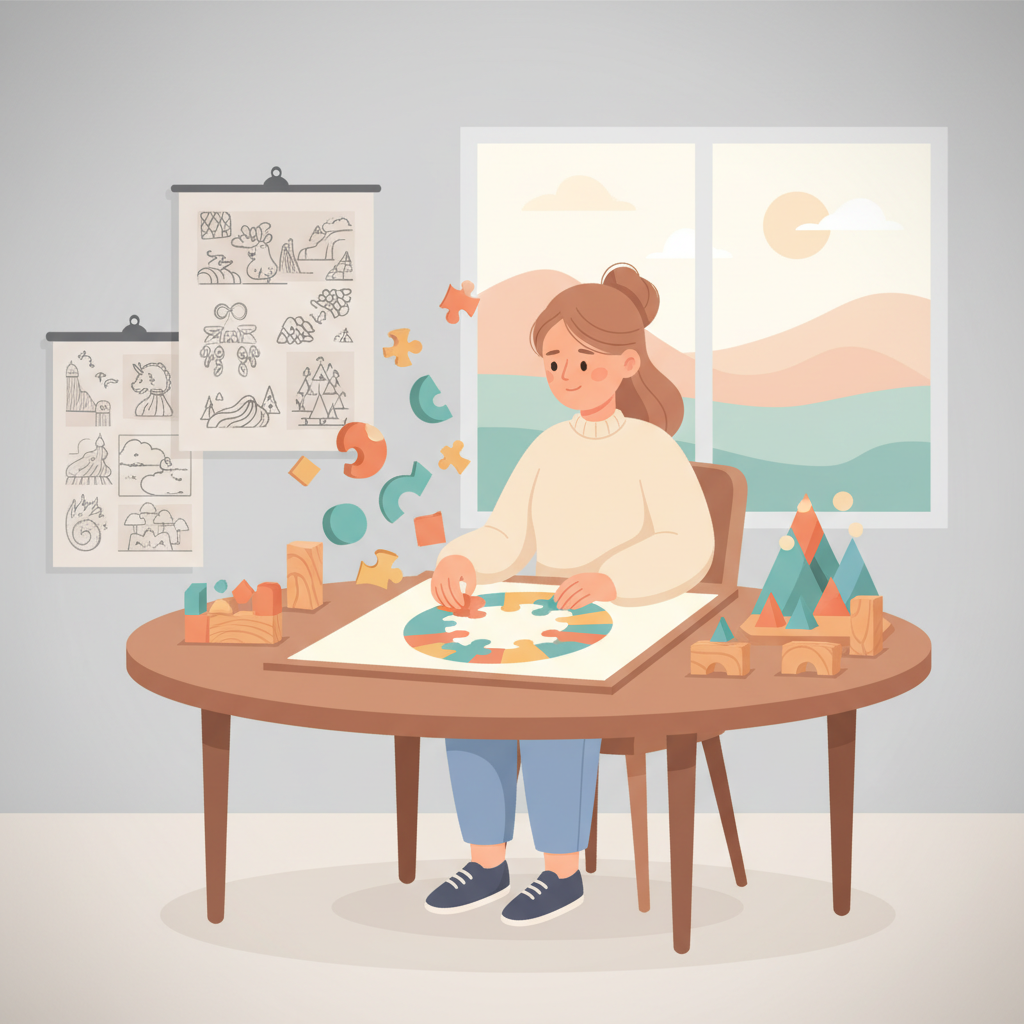
Are you a puzzle maker who wants to bring your puzzles to life with richer stories? Crafting compelling puzzle narratives can be challenging but rewarding, as great storytelling can turn an ordinary puzzle into a memorable experience.
By adopting simple daily habits, you can gradually strengthen your puzzle narratives, sharpen your creative process, and design puzzles that captivate players and keep them invested in your world. These habits focus on developing your understanding of narrative design, improving your storytelling skills, and integrating the puzzle mechanics with engaging stories.
This article will walk you through three practical daily habits you can start today to build more immersive and satisfying puzzle narratives that resonate with your players and enhance their problem-solving journey.
Your 3 Daily Habits To Strengthen Puzzle Narratives
Habit 1 — Explore Narrative Puzzle Design
Why: To strengthen puzzle narratives, understanding the balance between story and puzzle mechanics is key. Narrative puzzles should feel natural and meaningful, not forced or convoluted.
How: Spend 10-15 minutes a day reading and analyzing examples of well-crafted narrative puzzles in games or escape rooms. Reflect on how the puzzles relate to the story and what makes them satisfying.
Cue: Use a morning coffee or tea time as your moment to read a short article or watch a video on narrative puzzle design.
Habit 2 — Daily Storytelling Writing Practice
Why: Developing rich characters and coherent plots is crucial for immersive puzzle narratives. Regular writing practice sharpens your storytelling muscles.
How: Dedicate 15 minutes daily to writing short story snippets, character backgrounds, or plot ideas related to your puzzles. Focus on clarity and intrigue.
Cue: Set a reminder after lunch or your work session to jot down creative writing inspired by your current puzzle projects.
Habit 3 — Integrate Puzzle and Narrative Elements
Why: Effective puzzles interlock with story clues and setting details. Practicing this integration daily makes your designs cohesive and engaging.
How: Each day, review one existing puzzle or create a new one, then brainstorm and note how it can reveal story elements or character insights. Aim to connect puzzles logically to your narrative.
Cue: Use your end-of-day review time for this habit to reflect on your progress and adjust your design.
Week 1 Schedule
| Day | Habit 1 | Habit 2 | Habit 3 |
|---|---|---|---|
| Monday | Read article on narrative puzzle examples | Write a character background | Review a puzzle and link it to a story clue |
| Tuesday | Watch a video on puzzle storytelling | Draft a short plot snippet | Create a puzzle concept and its narrative purpose |
| Wednesday | Analyze a well-known game’s narrative puzzles | Write about character motivations | Adjust a puzzle to enhance story immersion |
| Thursday | Read tips from escape room narrative designers | Develop settings or lore details | Brainstorm puzzle clues that reveal backstory |
| Friday | Explore narrative puzzle challenges online | Write a dialogue snippet or journal entry | Combine puzzle mechanics with story revelation |
| Saturday | Reflect on what puzzles felt meaningful | Tune your character or plot details | Test your puzzle narrative by explaining it simply |
| Sunday | Review your week’s learning and examples | Summarize story progress and ideas | Plan puzzle-narrative connections for the coming week |
Troubleshooting
Barrier: Feeling stuck or uninspired to write stories daily.
Fix: Use simple prompts related to your puzzle theme to spark writing. Keeping writing short and unpressured helps maintain focus on strengthening puzzle narratives.
Barrier: Difficulty linking puzzles logically to the narrative.
Fix: Ask yourself what story or character information the puzzle reveals or depends on. Start with one connection and expand gradually.
Barrier: Overwhelmed by the complexity of narrative puzzle design.
Fix: Focus on small daily learning steps and practical exercises. Strengthen puzzle narratives one piece at a time.
FAQs
Q: How long should I spend on these habits daily?
A: Around 30-45 minutes combined is perfect. Consistency is more important than long sessions for strengthening puzzle narratives.
Q: Can I apply these habits if I am new to storytelling?
A: Absolutely. These habits are beginner-friendly and designed to build your skills gradually, helping to strengthen puzzle narratives over time.
Q: How do I know if my puzzle narratives are improving?
A: You will notice clearer story integration with puzzles, more engagement from players, and easier storytelling flow in your designs as you develop these habits.
Tracking & Motivation Tips
Track your daily habit completion using a simple checklist or journal. Celebrate small wins when you connect a puzzle clue to a story detail or complete a character sketch. Pair this tracking with regular playtesting to see how your strengthened puzzle narratives impact player engagement. Reminding yourself of your progress will motivate consistent practice to strengthen puzzle narratives in your work.
Key Takeaways To Strengthen Puzzle Narratives
Strengthen puzzle narratives by committing to daily habits that build your understanding and skills. Explore narrative puzzle examples, practice storytelling writing every day, and integrate puzzles with story elements thoughtfully. These focused habits will help you create puzzles that feel natural, meaningful, and immersive. With time, your strengthened puzzle narratives will make your puzzles more captivating and enjoyable for everyone who plays.