
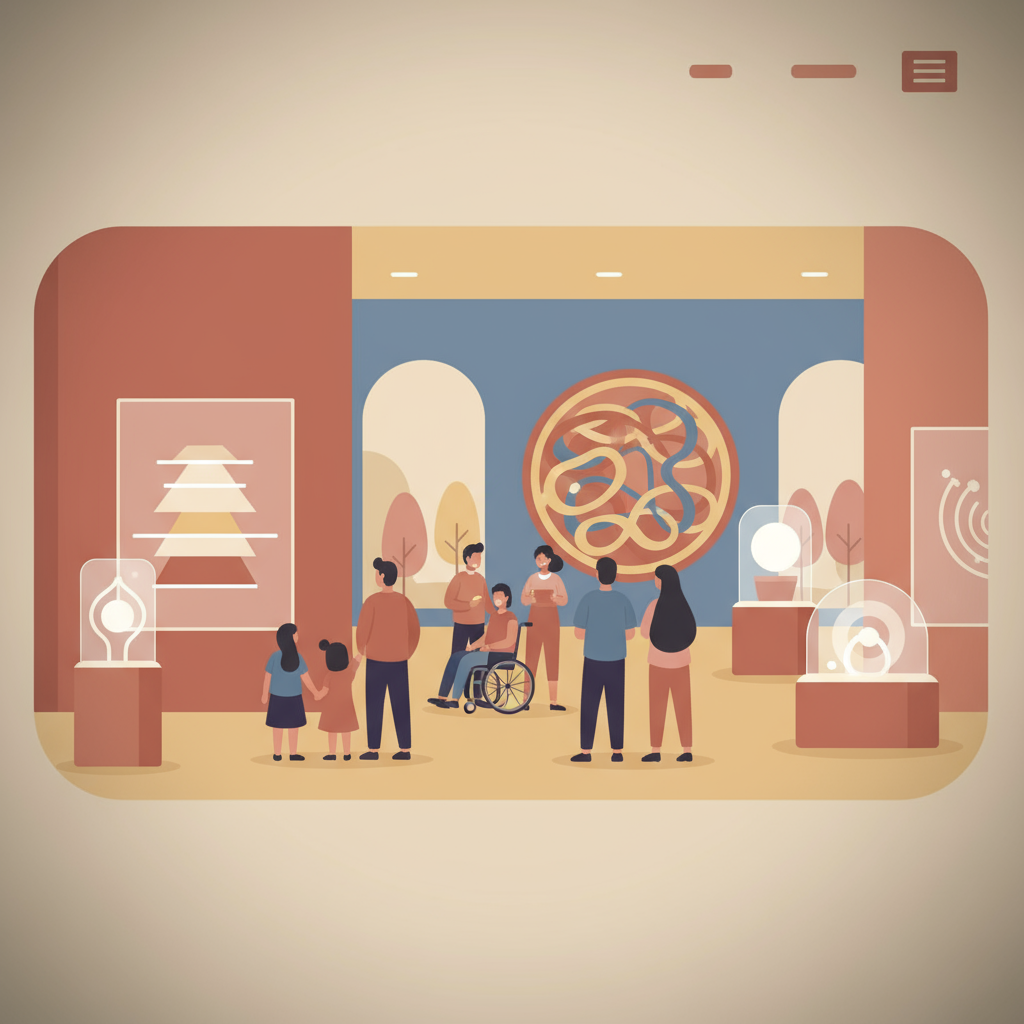
Have you ever walked through a museum and felt like you were missing some of the subtle design details around you? Many museum fans long to notice more of the creative choices behind exhibits but worry they don’t have the eye or time to catch these elements.
The good news is that noticing design elements is a skill you can build with simple daily habits. Just like training your eye to appreciate art, you can train it to catch what makes an exhibit design effective and memorable.
In this article, we will explore three simple daily habits museum fans can adopt to sharpen their ability to notice design elements in any exhibit, making every visit richer and more engaging.
Your 3 Daily Habits to Notice Design Elements
Habit 1 — Practice Focused Observation
Why: To notice design elements, you need to build your focus and observation skills. Spending a few minutes daily intentionally observing your surroundings trains your brain to detect details others might miss.
How: Choose a place each day—whether at home, outside, or online—and spend 5 minutes noting colors, shapes, textures, lighting, and layout. Think about why these choices may have been made.
Cue: Set a reminder right after your morning coffee or tea to do this brief observation exercise.
Habit 2 — Learn One Design Principle Each Day
Why: Understanding basic design principles like balance, contrast, flow, and storytelling helps you recognize these elements in museum exhibits.
How: Spend 5–10 minutes reading or watching a short resource about one design principle daily. Then reflect on how you might see it in exhibits.
Cue: Add a quick design principle review to your commute, lunch break, or before bed.
Habit 3 — Reflect on Your Museum Visits
Why: Reflecting immediately after a visit helps cement what you noticed and builds your attention for future trips.
How: After any museum visit, jot down or mentally note a few design elements that caught your attention and why. Think about lighting, flow, signage, and storytelling.
Cue: As you arrive home or the same evening, spend a couple of minutes reflecting or journaling.
Week 1 Schedule
| Day | Habit Practice |
|---|---|
| Monday | Focused observation exercise at home |
| Tuesday | Read about balance in design |
| Wednesday | Observe outdoor architectural features |
| Thursday | Study contrast in design examples |
| Friday | Reflect on any previous museum visit designs |
| Saturday | Focused observation in a local space or online exhibit |
| Sunday | Rest day or brief reflection on the week |
Troubleshooting
Barrier: Feeling overwhelmed by design jargon or complexity.
Fix: Stick to one basic principle each day and focus on examples you see around you to make it approachable for notice design elements growth.
Barrier: Forgetting to practice daily habits consistently.
Fix: Use phone reminders linked to daily routines and keep a small notebook or phone note to track your observations and reflections.
Barrier: Difficulty recalling design details after museum visits.
Fix: Immediately reflect or jot down notes after visits while impressions are fresh to strengthen your ability to notice design elements over time.
FAQs
Q: How quickly will I start noticing design elements better?
A: With daily habits consistently practiced, many people notice small improvements within a week, gaining deeper insight with each museum visit.
Q: Do I need prior knowledge of design to improve?
A: No. Learning one simple design principle at a time makes the skill accessible to everyone looking to notice design elements better.
Q: Can these habits help me appreciate exhibits more?
A: Absolutely. Noticing design details enriches your museum experience and deepens your connection with exhibits.
Tracking & Motivation Tips
To stay motivated in building your ability to notice design elements, try tracking your daily habits in a journal or app. Celebrate your progress by noting new discoveries and moments of insight during museum visits. Share your reflections with fellow museum fans or friends to keep inspired and expand your learning.
Key Takeaways to Notice Design Elements
Notice design elements with simple daily habits that include focused observation, learning design principles, and reflecting on visits. Consistency makes your eye sharper, enriching your museum experiences with deeper appreciation and insight.
Join the Waitlist
Ready to put these habits into action? Dayspire helps you reach any goal with simple daily habits. Join the waitlist now to be the first to get invited to Dayspire!