
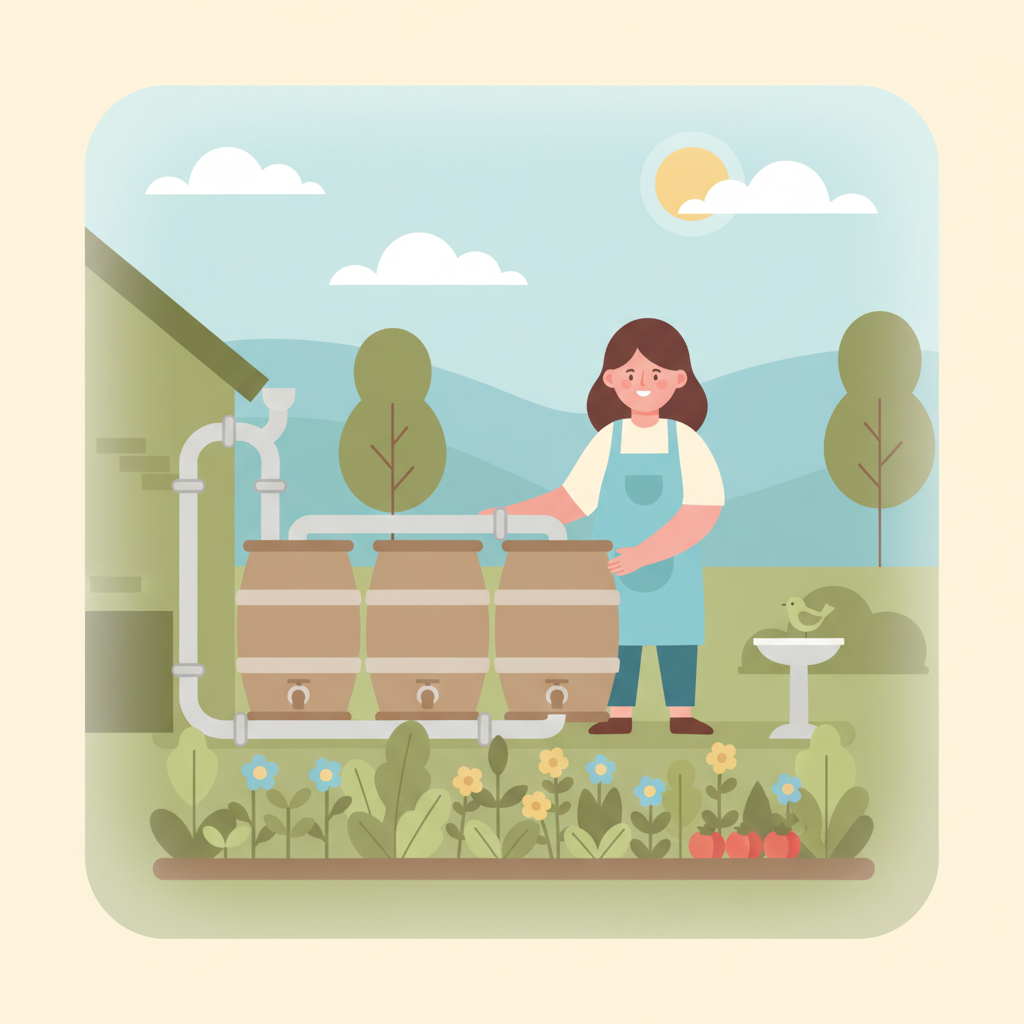
As a home gardener, one of your biggest challenges might be ensuring your plants get consistent water, especially during dry spells. Installing a rainwater capture system can be a game changer that helps you conserve water and keep your garden thriving.
Setting up a rainwater capture system might feel complicated at first glance, but by adopting simple daily habits, you can gradually install and maintain an efficient system. You do not need to be a professional plumber or spend a fortune to start collecting rainwater effectively.
In this article, you will learn easy-to-follow daily habits to install rainwater capture systems that will support your gardening efforts sustainably, reduce your water bills, and benefit the environment around your home.
Your 3 Daily Habits To Effectively Install Rainwater Capture Systems
Habit 1 — Plan and Prepare Your Catchment Area
Why: The catchment area — usually your roof — is the source of rainwater. Planning this area well affects how much water you can capture efficiently.
How: Each day, spend time inspecting your roof and gutters to ensure they are clean and free of debris like leaves or dirt. Note any places where gutters overflow during heavy rain or where you might add more collection points.
Cue: After rainfall or during a dry day, check the roof and gutters while gardening to prepare for the next rainwater harvest.
Habit 2 — Install and Maintain Your Storage Containers
Why: Storage tanks or rain barrels must be properly positioned and maintained to hold clean water for your plants.
How: Each day find a moment to check your barrels or tanks for cracks, leaks, or algae growth. Ensure that overflow pipes and spigots work well and cover any openings with mosquito screens to prevent pest issues.
Cue: Morning or evening watering times are perfect to glance at your storage system’s condition.
Habit 3 — Use Water Wisely and Rotate Usage
Why: Using the harvested rainwater efficiently ensures the system’s sustainability and your garden’s health.
How: Regularly use the water during dry days but avoid overwatering. Schedule watering early mornings or late evenings to reduce evaporation. Use drip irrigation or soaker hoses if possible to deliver water directly to the roots.
Cue: Tie watering your garden to your daily outdoor gardening routine.
Week 1 Schedule
| Day | Focus Habit | Action |
|---|---|---|
| Monday | Habit 1 | Inspect roof and gutters for debris, note any overflow issues |
| Tuesday | Habit 2 | Check barrels and tanks, clean debris screens, check for leaks |
| Wednesday | Habit 3 | Water garden with harvested rainwater, monitor plant health |
| Thursday | Habit 1 | Clear gutters and downspouts to optimize water flow |
| Friday | Habit 2 | Clean and add mosquito dunks to tanks/barrels to prevent larvae |
| Saturday | Habit 3 | Adjust watering schedule to match plant needs and weather |
| Sunday | Review | Review system performance and plan improvements if needed |
Troubleshooting
Barrier: Gutters clogged by leaves and debris reduce water collection.
Fix: Make cleaning gutters part of your daily habit to keep your system efficient at collecting rainwater.
Barrier: Mosquito or algae infestations in storage tanks.
Fix: Use tightly fitting screens on all openings and add mosquito dunks regularly, and clean tanks annually to maintain water quality.
Barrier: Not enough water stored during rain events leading to shortfalls.
Fix: Increase storage capacity gradually by adding more barrels or tanks and optimize catchment area coverage.
FAQs
Q: Is it legal to install a rainwater capture system for my garden?
A: In most areas, including many parts of Texas, rainwater capture for garden irrigation is legal. Check with your local municipality for any specific regulations.
Q: How often should I clean my rainwater storage barrels?
A: Cleaning once a year is usually sufficient, but regular checks for debris and mosquito prevention are important daily habits.
Q: Can I drink the water collected from my rainwater system?
A: Generally, water from rainwater capture systems is recommended for outdoor uses. Drinking water requires advanced filtration and treatment.
Tracking & Motivation Tips
Track your progress by noting water levels after rainfalls and plant health improvements. Celebrate milestones like the first successful water collection or a particularly lush garden area. Keep a simple journal or use an app to remind yourself of daily tasks related to your rainwater capture system.
Key Takeaways for Installing Rainwater Capture
Installing rainwater capture systems as a home gardener is achievable with steady and simple daily habits. By regularly monitoring your catchment surfaces, maintaining storage tanks, and using the water efficiently, you can create a sustainable water resource. This not only supports your garden’s health but also helps conserve valuable water resources.