
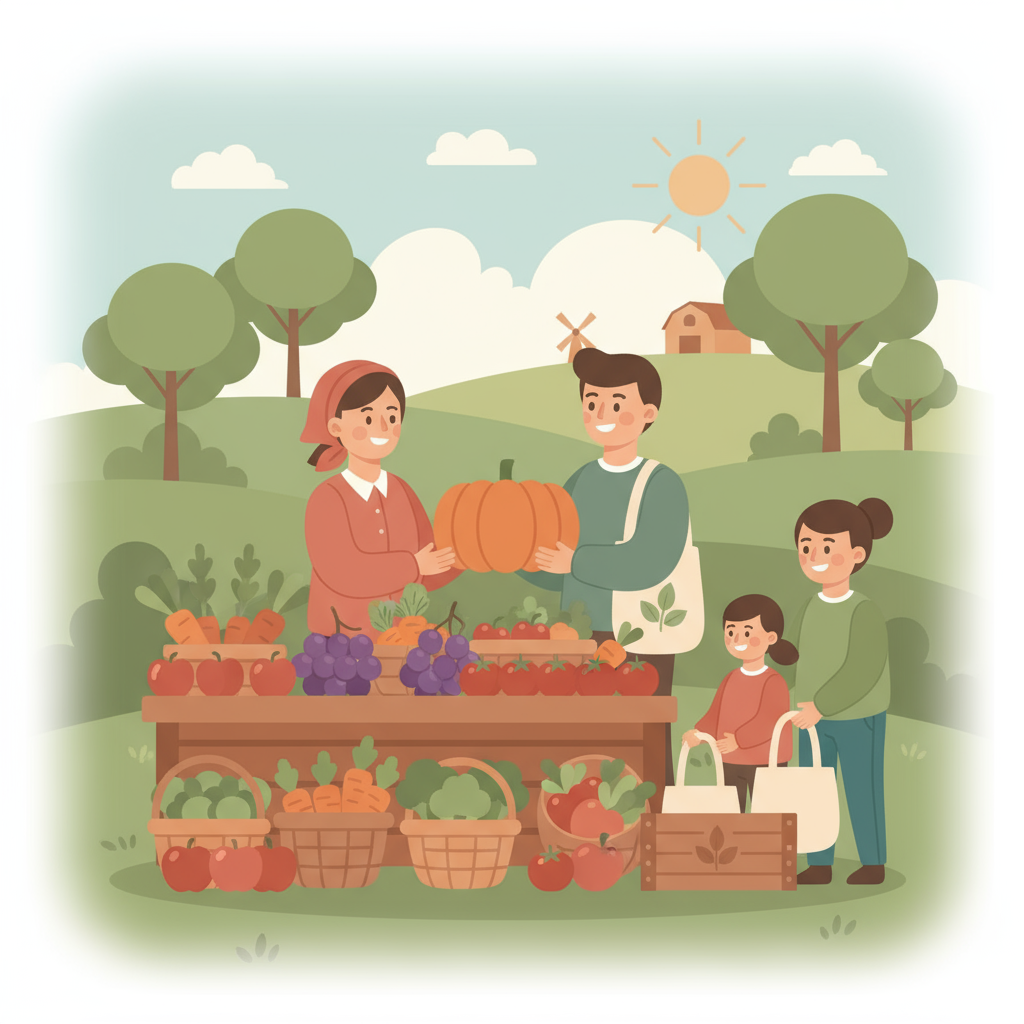
Supporting local farms is a powerful way eco activists can contribute to a healthier planet and stronger communities. But sometimes, it feels overwhelming to know where to start or how small actions can truly make a difference.
Fortunately, there are simple daily habits you can adopt that directly support local farms, protect the environment, and bring fresh, nutritious food into your life. These habits fit smoothly into busy schedules and build lasting positive impact.
In this article, we will explore three effective daily habits that eco activists can use to consistently support local farms. You’ll soon see how these small changes add up to powerful results for the land, farmers, and community food systems.
Your 3 Daily Habits To Support Local Farms
Habit 1 — Buy Directly from Local Farmers
Why: Buying direct ensures your dollars go straight to the farmers, supporting their ability to continue sustainable practices and keep farmlands healthy.
How: Shop regularly at farmers markets, join a Community Supported Agriculture (CSA) program, or purchase from local farm shops. CSAs connect you to a share of seasonal produce, strengthening community ties and farm income.
Cue: Use your weekly grocery planning time as a reminder to check for local farm options or your CSA delivery schedule.
Habit 2 — Eat Seasonal and Local Foods
Why: Seasonal eating supports farm biodiversity, reduces carbon footprint by minimizing food transportation, and ensures fresher, more nutritious produce.
How: Learn what produce is in season in your region and build meals around those ingredients. Try new recipes featuring local seasonal foods or choose restaurants that source locally.
Cue: When making your meal plan, dedicate a day to exploring seasonal ingredients and planning recipes accordingly.
Habit 3 — Volunteer or Get Involved With Local Farms
Why: Volunteering offers hands-on support that helps farms with labor needs while deepening your connection to the land and farming community.
How: Dedicate a few hours monthly to help at local farms or community gardens. This can include planting, harvesting, or helping with farm events.
Cue: Schedule volunteering like an appointment to ensure it becomes a regular part of your routine.
Week 1 Schedule
| Day | Activity |
|---|---|
| Monday | Research local farmers markets and CSA programs |
| Tuesday | Plan weekly meals around seasonal local produce |
| Wednesday | Shop at local farmers market or order CSA box |
| Thursday | Prepare a new recipe using seasonal ingredients |
| Friday | Contact local farms to explore volunteer opportunities |
| Saturday | Volunteer a couple of hours at a community garden or farm |
| Sunday | Reflect on your impact and plan for next week |
Troubleshooting
Barrier: Limited access to nearby farmers markets or CSA programs.
Fix: Use online directories to find local farms that deliver or offer pickup, or explore starting a community garden to grow your own produce.
Barrier: Difficulty remembering to shop seasonally.
Fix: Keep a seasonal produce chart in your kitchen or on your phone to quickly check what’s in season when you shop.
Barrier: Lack of time to volunteer regularly.
Fix: Begin with short, manageable sessions and build over time; even an hour a month can make a difference.
FAQs
Q: What if local food is more expensive than supermarket food?
A: Supporting local farms means investing in the environment and community health. To balance cost, prioritize seasonal items and plan budgets accordingly. Many find that fresher, nutrient-rich food offers greater value.
Q: How do I find a CSA or farmers market near me?
A: Use online resources and local food directories such as LocalHarvest or community websites to locate CSAs and farmers markets near you.
Q: Can supporting local farms really reduce my carbon footprint?
A: Yes. Buying local reduces food miles and supports sustainable farming practices, which help lower greenhouse gas emissions.
Tracking & Motivation Tips
To stay motivated with your new habits, keep a simple journal or use an app to track your support of local farms. Note each time you shop local, try a seasonal recipe, or volunteer. Seeing your progress visually encourages consistency and reminds you of the positive impact you are making in supporting local farms.
Key Takeaways for Supporting Local Farms
Supporting local farms is within everyone’s reach through simple daily habits. Buying directly from farmers, eating seasonal foods, and volunteering are powerful ways eco activists can make meaningful contributions. With these habits, you build stronger community ties, support regenerative agriculture, and contribute to a sustainable food future.