
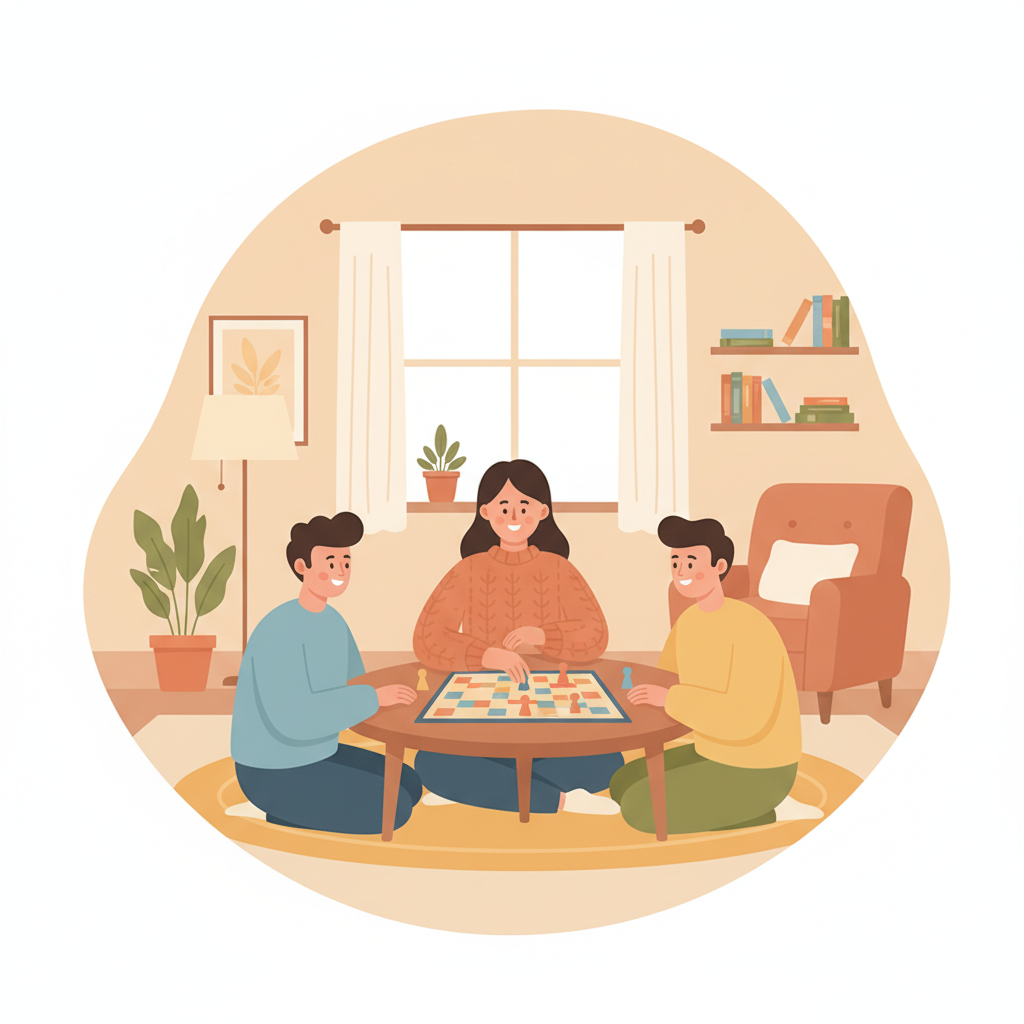
Do you love playing board games but find yourself feeling impatient when turns take too long or decisions become overwhelming? It’s a common struggle among passionate board game fans. Patience can sometimes slip away, especially as modern games grow more complex and demand deeper thinking.
The good news is patience is a skill that can be cultivated with some simple, daily habits. These habits help reduce stress, calm racing thoughts, and improve focus—making your game nights more fun and less stressful for you and everyone at the table.
In this article, you’ll discover three practical daily habits that board game fans like you can use to steadily increase patience playing. You’ll also find troubleshooting tips and answers to common questions so you can enjoy gaming with a relaxed, clear mind.
Your 3 Daily Habits to Increase Patience Playing
Habit 1 — Mindful Breathing Breaks
Why: When impatience strikes during a game, your mind races and stress spikes. Mindful breathing helps slow your breath and ground your thoughts, making it easier to stay calm and patient.
How: Set aside 5 minutes daily to practice slow and deep breathing. Inhale slowly through your nose for 4 seconds, hold for 4 seconds, then exhale gently through your mouth for 6 seconds. Repeat 5-10 times.
Cue: Start your day with mindful breathing or use a reminder app to prompt breathing breaks.
Habit 2 — Plan Turns Ahead Practice
Why: Planning your next move during others’ turns reduces decision time on your turn and lessens pressure, which boosts patience.
How: Pick a game you know well, and before your turn, consciously think about a couple of reasonable options you might take. Consider what other players might do that could affect your choices.
Cue: Use game sessions as practice grounds and remind yourself during the game to think a step ahead.
Habit 3 — Set a Decision Time Limit Challenge
Why: Training yourself to make decisions within a reasonable time builds confidence and combats overthinking that feeds impatience.
How: Choose a solo or practice game, and give yourself a timer (e.g. 1 minute) per move. Try to pick your best option within the limit, knowing it’s okay if it’s not perfect.
Cue: Use a phone timer or a game timer and gradually reduce your time per decision over weeks.
Week 1 Schedule
| Day | Habit | Time |
|---|---|---|
| Monday | Mindful Breathing Breaks | 5 minutes morning |
| Tuesday | Plan Turns Ahead Practice | During game with friends or solo session |
| Wednesday | Decision Time Limit Challenge | 15-20 minutes solo practice |
| Thursday | Mindful Breathing Breaks | 5 minutes before gaming session |
| Friday | Plan Turns Ahead Practice | During game or review previous game |
| Saturday | Decision Time Limit Challenge | 15-20 minutes solo practice |
| Sunday | Rest or light practice | Optional |
Troubleshooting
Barrier: Feeling overwhelmed by many game decisions.
Fix: Use Habit 3 to narrow choices quickly; remind yourself perfection is not required to enjoy the game.
Barrier: Stress increases when others urge you to hurry.
Fix: Use Habit 1 regularly to build calmness; communicate with your group about needing gentle reminders instead of pressure.
Barrier: Forgetting to plan turns ahead.
Fix: Habit 2 cue: set phone reminders or tangible reminders (e.g., sticky notes) to keep your mind engaged during others’ turns.
FAQs
Q: Will these habits work if I have ADHD or other neurodivergences?
A: Yes, these daily habits help build skills like patience and focus over time. Consider discussing accommodations with your gaming group for extra support.
Q: What if timers make me more anxious?
A: That’s common. Instead of strict timers, use gentle verbal reminders or self-set flexible limits to build patience more comfortably.
Q: How can I get my gaming group to be more patient?
A: Open communication is key. Share these habits and explain how patience benefits everyone’s enjoyment. Ask for understanding and consider group agreements.
Tracking & Motivation Tips
Track your progress on a simple habit journal or app. Write down each day you practice mindful breathing, plan ahead, or try time-limited decisions. Celebrate small wins like quicker turns or feeling calmer during games. This consistent tracking supports developing patience playing into a lasting part of your gaming experience.
Key Takeaways for Increasing Patience Playing
Increasing patience playing board games takes deliberate, simple daily habits. Mindful breathing calms your mind, planning turns ahead reduces rushed decisions, and practicing time-limited choices builds confidence. Pair these habits with open communication with your gaming group to create a supportive environment for everyone to enjoy the game. Patience is a skill you grow step by step, and the more you practice these habits, the smoother, more fun your game nights will become.
Join the Waitlist
Ready to put these habits into action? Dayspire helps you reach any goal with simple daily habits. Join the waitlist now to be the first to get invited to Dayspire!