
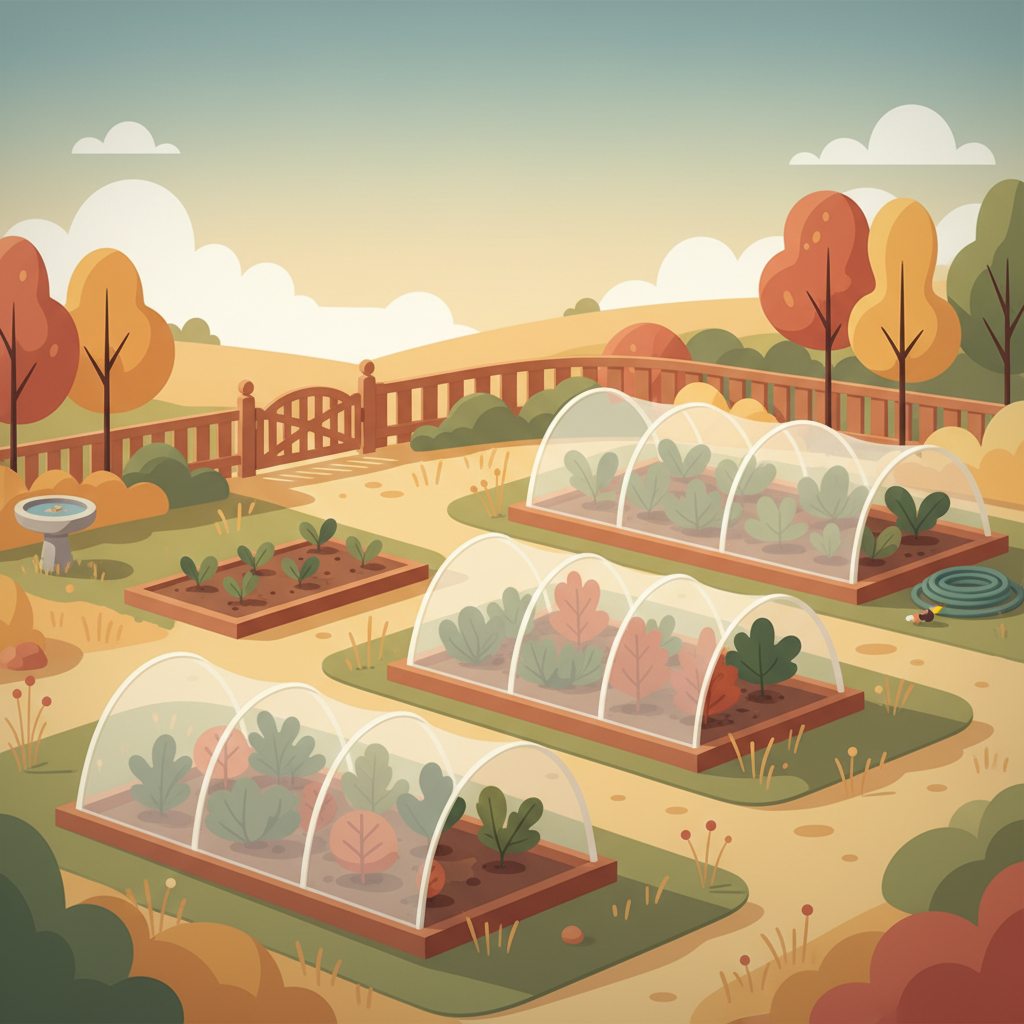
For gardeners, the end of the growing season often feels like a hard stop. Cooler temperatures and early frosts can quickly put your vibrant garden to rest. It can be disappointing when the harvest ends too soon, especially after all your care and effort.
The good news is that you can extend your garden’s productive season by adopting a few simple daily habits. These small but consistent actions help protect your plants from cold, boost their health, and keep your garden thriving longer.
In this guide, you will discover how to use easy daily habits to successfully extend your growing season and enjoy fresh vegetables, flowers, or herbs for weeks beyond the usual timeframe.
Your 3 Daily Habits To Extend Growing Season
Habit 1 — Use Protective Covers Thoughtfully
Why: Protective covers such as floating row covers or low tunnels create a warmer microclimate for your plants, reducing frost damage and keeping growth active. These coverings act like tiny greenhouses that trap heat but still allow light and rain through.
How: Each morning, check temperatures and place covers over vulnerable plants before frost risk. Remove or ventilate covers during the day if it warms up to prevent overheating.
Cue: Use your morning weather check as a reminder to manage covers.
Habit 2 — Monitor Soil Moisture and Mulch Regularly
Why: Healthy soil keeps plants strong through seasonal changes. Mulching keeps soil temperature more stable and conserves moisture, which helps roots stay healthy during cooler weather.
How: Daily, assess soil moisture by feeling it a few inches below the surface. Add mulch where needed in early fall and maintain it throughout the season.
Cue: Check soil moisture right after your morning garden walk or watering.
Habit 3 — Select and Rotate Cold-Tolerant Crops
Why: Choosing crops known to withstand cooler temperatures and rotating them successfully means you can keep planting later in the season without loss.
How: Plan your garden weekly and replace warm-season crops with cool-season or cold-hardy varieties like kale, spinach, or carrots.
Cue: Make updating your planting plan part of your early week garden review.
Week 1 Schedule
| Day | Tasks |
|---|---|
| Monday | Plan shifting crops and prepare protective covers |
| Tuesday | Place or adjust covers early morning; check soil moisture |
| Wednesday | Inspect plants under covers for moisture and pests |
| Thursday | Replenish mulch and water as needed |
| Friday | Ventilate covers midday; rotate crops if applicable |
| Saturday | Harvest mature crops; check weather forecast for frost |
| Sunday | Rest day; plan adjustments based on the week's observations |
Troubleshooting
Barrier: Forgetting to ventilate covers on warmer days can cause heat stress.
Fix: Set a daily alarm to check weather and temperatures to remember to open covers and prevent overheating.
Barrier: Soil staying too wet or too dry can harm plant roots.
Fix: Use your hands or a moisture meter daily to monitor soil and adjust watering to keep soil moist but not soggy.
Barrier: Not knowing which crops to plant for late season.
Fix: Keep a simple list of cold-hardy crops visible in your gardening area to remind you during planning.
FAQs
Q: How much can these daily habits actually extend my growing season?
A: Using protective covers and cold-tolerant crops can extend your season by several weeks to even a couple of months depending on your climate.
Q: Are these habits expensive or require special equipment?
A: Many protective covers are affordable and reusable. Mulch can be organic materials from your yard. Planning crops just requires some basic research or advice from local garden centers.
Q: Can I do this if I have a small garden or limited time?
A: Absolutely. These simple daily habits are flexible and scalable, perfect for small spaces and gardeners with busy schedules.
Tracking & Motivation Tips
Keep a daily garden journal or checklist noting when you put on covers, soil moisture levels, and planting changes. Seeing progress in extending your growing season first-hand is rewarding and motivates consistency with your daily habits. You can also take weekly photos to compare growth over time, helping keep your focus.
Key Takeaways For Extending The Growing Season
Simple daily habits focused on protection, soil care, and smart crop selection are powerful tools to extend growing season. Consistently managing protective covers, monitoring soil moisture, and planning cold-hardy crops help your garden thrive longer. By adopting these daily habits, gardeners can enjoy fresh, homegrown produce well beyond traditional season limits.
Join the Waitlist
Ready to put these habits into action? Dayspire helps you reach any goal with simple daily habits. Join the waitlist now to be the first to get invited to Dayspire!