
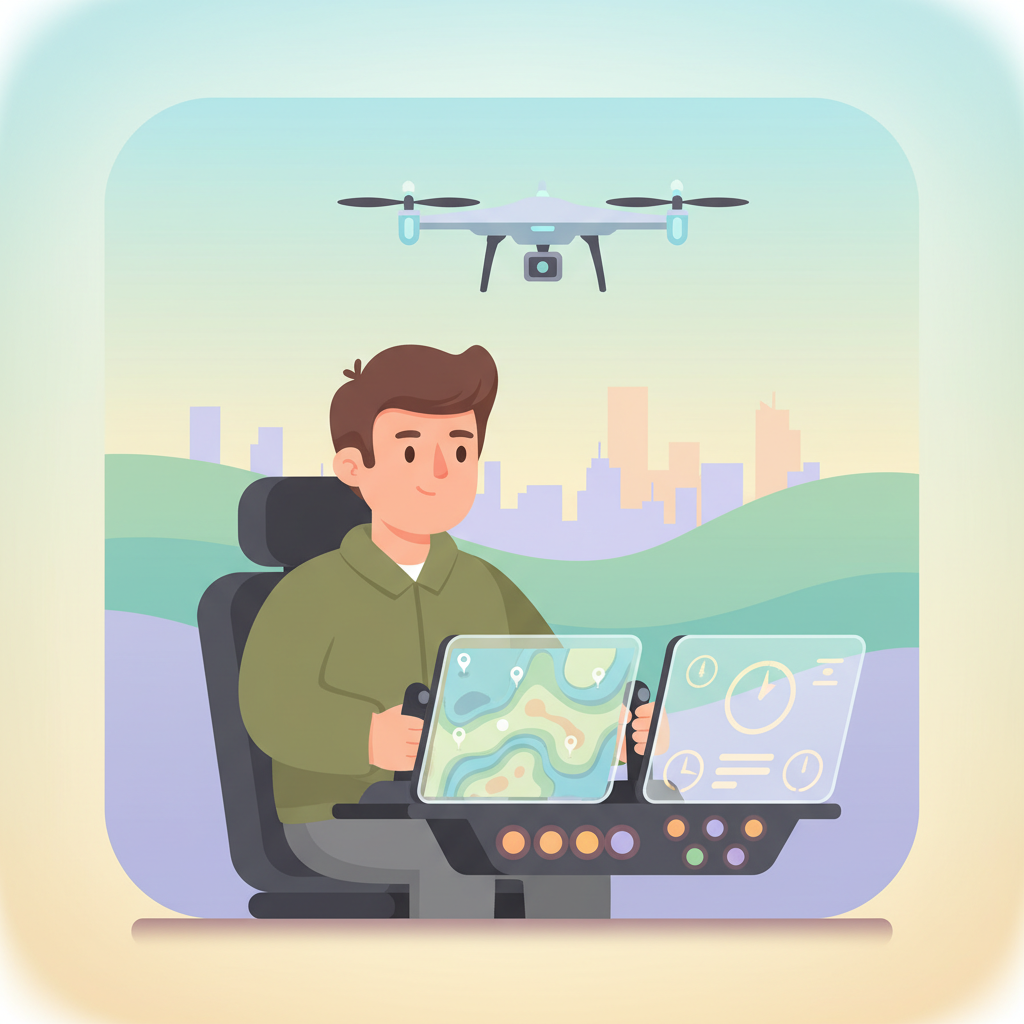
If you are a drone pilot, you know that staying fully aware of your surroundings during flight is not just helpful — it is essential. Increasing situational awareness means you can better anticipate obstacles, respond to changing conditions, and fly more safely.
Fortunately, becoming more aware does not require complicated techniques or endless training sessions. Simple daily habits can sharpen your focus, boost your mental readiness, and improve your ability to process information quickly and effectively.
In this article, you will discover three easy daily habits designed specifically for drone pilots to increase situational awareness and take control of the skies confidently.
Your 3 Daily Habits To Increase Situational Awareness
Habit 1 — Start With Focused Pre-Flight Planning
Why: Before each flight, having a clear understanding of your flight area, weather conditions, and legal restrictions increases situational awareness by preparing your mind to anticipate challenges.
How: Spend 5-10 minutes reviewing a flight checklist, checking weather reports using reliable apps, examining airspace restrictions with tools like the FAA’s B4UFLY app or Aloft, and planning your flight path.
Cue: Make this the first task you do every time you prepare your drone, right after charging your batteries.
Habit 2 — Practice Consistent Visual Scanning Techniques
Why: Pilots who regularly scan their environment and instruments develop better awareness, catching potential obstacles and changes before they become problems.
How: During each flight, remind yourself to scan your drone’s display, monitor GPS, and regularly look around your environment in a systematic pattern. Simulate this habit daily by using flight simulators or even practicing scanning exercises with your eyes off flying days.
Cue: Use a timer or app notification to practice 2-3 minute scanning drills daily to build this habit.
Habit 3 — Reflect and Learn After Each Flight
Why: Reflecting helps you notice what worked and what needs improvement. This habit strengthens situational awareness by improving recognition of patterns and decision-making skills over time.
How: Spend a few minutes after each flight recording your observations: any unexpected issues, how well you maintained focus, and plans for improvement. Keep a flight journal or log on your phone.
Cue: Tie this reflection to the moment you power down your drone or put away your equipment.
Week 1 Schedule
| Day | Activity |
|---|---|
| Monday | Prep pre-flight plans using airspace apps before battery charging |
| Tuesday | Practice scanning exercises using a flight simulator for 10 minutes |
| Wednesday | Complete a flight and journal your reflections afterward |
| Thursday | Review weather reports and check regulations before a short flight |
| Friday | Practice scanning focus drills off flying time (2-3 minutes) |
| Saturday | Fly your drone focusing on a systematic scan and flight log |
| Sunday | Review your notes and set a plan for improvement next week |
Troubleshooting
Barrier: Forgetting to do pre-flight planning or rushing it.
Fix: Set an alarm or reminder linked with your drone charging time to cue the pre-flight planning habit and make it non-negotiable.
Barrier: Losing focus during flights and skipping the scanning pattern.
Fix: Use app timers or audible reminders to briefly pause and reset your scanning routine during flight to refocus your situational awareness.
Barrier: Neglecting post-flight reflection due to tiredness or distraction.
Fix: Keep a simple flight log on your phone with a reminder set for just after each flight to jot down quick notes; even a few bullet points help.
FAQs
Q: How long does it take to see improvements in situational awareness with these habits?
A: With daily practice, most drone pilots notice enhanced awareness and confidence within 1 to 2 weeks.
Q: Can using flight simulators really improve my real-life situational awareness?
A: Yes, simulators allow you to practice scanning and decision-making without pressure, strengthening habits you apply in real flights.
Q: How can I maintain situational awareness in challenging weather conditions?
A: Good pre-flight planning includes checking weather forecasts so you can avoid flying in risky conditions. If caught unexpectedly, rely on smooth scanning and remain calm to evaluate your options safely.
Tracking & Motivation Tips
Track your increase situational awareness progress by journaling each flight’s successes and challenges. Use apps that support reminders for habits like pre-flight planning and scanning exercises. Celebrate small wins, such as catching obstacles early or completing every step of your checklist, to keep motivated. Reviewing your progress weekly will solidify these powerful daily habits and push your drone piloting skills to new heights.
Key Takeaways For Increasing Situational Awareness
To increase situational awareness as a drone pilot, simple daily habits like thorough pre-flight planning, consistent visual scanning, and post-flight reflection are highly effective. These habits prepare your mind, improve focus, and enhance decision-making during flight. With commitment, they build a safer and more confident flying experience you can rely on for every mission.