
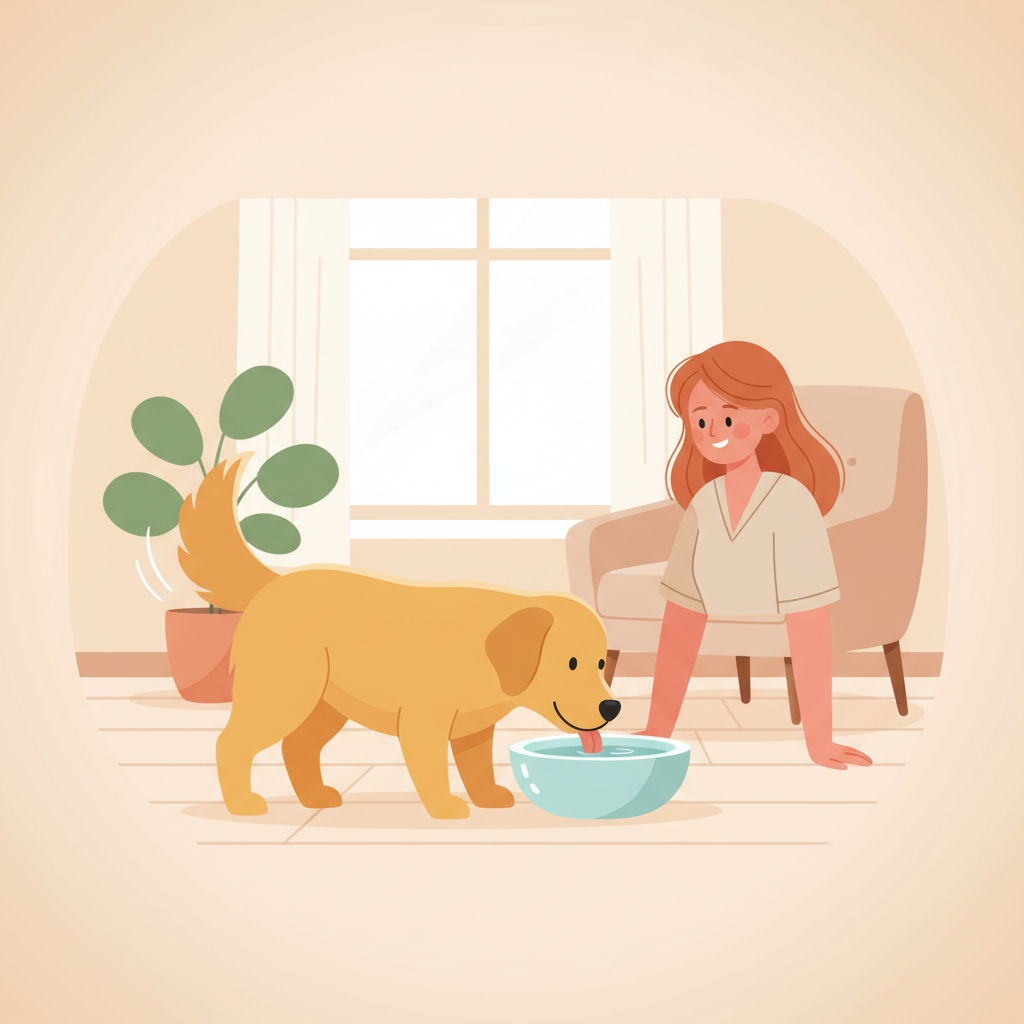
As a dog mom, it can be worrying when your furry friend isn’t drinking enough water. Proper hydration is essential for your dog’s health, helping their body regulate temperature, keep organs functioning, and stay active and playful.
The good news is that increasing your pet’s hydration doesn’t require complicated changes or expensive products. Simple daily habits can make a big difference in encouraging your dog to drink water more often and in the right amounts.
In this article, we’ll share easy habits you can add to your daily routine to boost your dog’s hydration and help them live a happier, healthier life.
Your 3 Daily Habits to Increase Pet Hydration
Habit 1 — Keep Water Fresh and Accessible
Why: Fresh, clean water encourages your dog to drink more and prevents them from avoiding stale or dirty water.
How: Change your dog’s water at least twice daily. Use stainless steel or ceramic bowls that are easy to clean and do not hold odors. Wash the water bowl thoroughly once a day to get rid of bacteria and slime.
Cue: Refill the water bowl immediately after your dog finishes its water in the morning and in the evening.
Habit 2 — Add Moisture to Meals
Why: Adding water or wet food increases your dog’s overall water intake naturally, especially for picky drinkers.
How: Mix a bit of fresh water or low-sodium broth into dry kibble, or incorporate some wet food into meals. This can soften the food and make it more appealing.
Cue: Add water or wet food each time you prepare your dog’s meal.
Habit 3 — Place Multiple Water Bowls Around the Home
Why: Having easy access to water in different rooms makes it convenient for your dog to take frequent small drinks throughout the day.
How: Set up water bowls in your dog’s favorite spots—like the kitchen, living room, and near their sleeping area. For larger homes, consider a bowl on every floor.
Cue: Refill all water bowls during your routine water refreshment times.
Week 1 Schedule
| Day | Morning | Afternoon | Evening | Notes |
|---|---|---|---|---|
| Monday | Change water bowls, add water to meal | Check water bowls, refill if low | Change water bowls, add water to meal | Observe your dog’s drinking behavior |
| Tuesday | Change water bowls, add water to meal | Check water bowls, offer a wet food treat | Change water bowls, add water to meal | Try to place an additional bowl in a new room |
| Wednesday | Change water bowls, add water to meal | Check bowls, offer ice cube treat if warm | Change water bowls, add water to meal | Watch for signs of increased water intake |
| Thursday | Change water bowls, add water to meal | Check water bowls, refresh if needed | Change water bowls, add water to meal | Note any drinking preference for bowl type or location |
| Friday | Change water bowls, add water to meal | Check bowls, offer flavored ice cube treat | Change water bowls, add water to meal | Keep water bowls clean and dry |
| Saturday | Change water bowls, add water to meal | Check water bowls during playtime | Change water bowls, add water to meal | Take your dog’s portable water on outings |
| Sunday | Deep clean bowls (dishwasher or vinegar soak) | Set up bowls in new spots if needed | Change water, add water to meal | Evaluate weekly hydration progress |
Troubleshooting
Barrier: Your dog avoids drinking because the water tastes or smells stale.
Fix: Use stainless steel or ceramic bowls and change water twice daily to keep it fresh and inviting.
Barrier: Your dog ignores water bowls placed near their food or litter box.
Fix: Place water bowls in quiet, separate areas from food or litter to make hydration more appealing.
Barrier: Your dog is reluctant to drink enough due to age or dental pain.
Fix: Soften dry food with warm water or broth, and consult your vet if dental issues persist.
FAQs
Q: How much water should my dog drink daily to increase pet hydration?
A: A general rule is about one ounce of water per pound of your dog’s body weight each day. Adjust for activity and weather to increase pet hydration.
Q: Can I use flavored water or broth to encourage my dog to drink more?
A: Yes, adding a splash of low-sodium broth to their water or food can entice your dog to drink more, but always use pet-safe ingredients.
Q: How do I know if my dog is dehydrated despite these habits?
A: Watch for signs like dry gums, sunken eyes, lethargy, or decreased skin elasticity. If you notice these, contact your vet promptly.
Tracking & Motivation Tips
Keep a simple hydration journal where you note when you change water, add wet food or broth, and your dog’s drinking behavior. This helps you see progress and identify patterns to improve your approach to increase pet hydration. Reward your dog with praise or a small treat when they drink water, reinforcing the positive habit.
Key Takeaways to Increase Pet Hydration
Increasing pet hydration is achievable with straightforward daily habits like providing fresh water frequently, adding moisture to meals, and placing multiple water bowls around your home. Being consistent and observant helps you support your dog’s health through proper hydration every day.
Join the Waitlist
Ready to put these habits into action? Dayspire helps you reach any goal with simple daily habits. Join the waitlist now to be the first to get invited to Dayspire!