
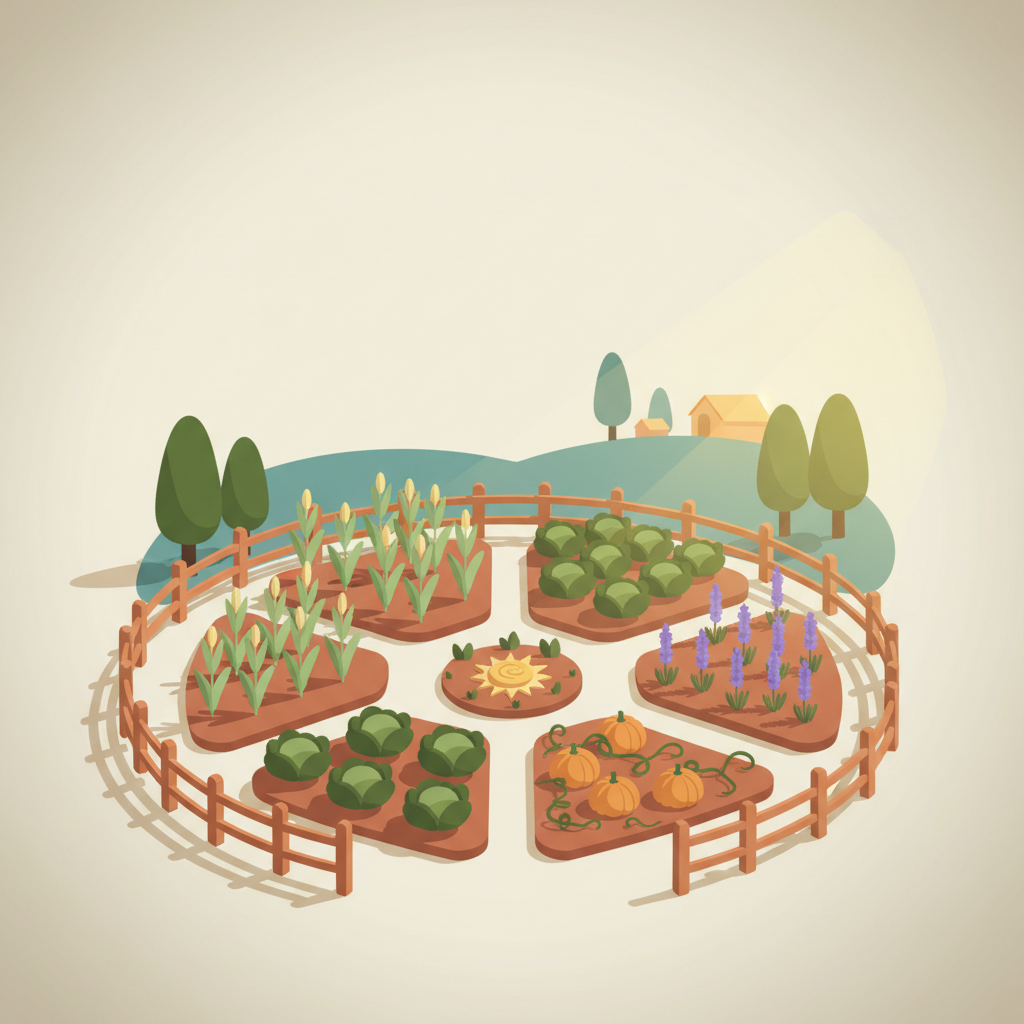
If you are a homesteader growing your own food, you might have noticed that planting the same crop in the same spot every year often leads to problems like pests, diseases, and soil nutrient depletion. Managing crop rotation is key to keeping your garden healthy and productive.
Thankfully, managing crop rotation does not have to be complicated or overwhelming. By adopting a few simple daily habits, you can keep track of your garden’s needs and ensure that your plants thrive season after season.
In this article, we’ll walk you through easy daily habits homesteaders can use to plan and manage crop rotation effectively for better soil health and bountiful harvests.
Your 3 Daily Habits For Managing Crop Rotation
Habit 1 — Keep a Daily Garden Journal
Why: Consistently recording which crops you plant where is essential to manage crop rotation effectively. It helps prevent planting the same crop family in the same spot too soon, which can lead to pests and soil depletion.
How: Spend a few minutes each day or after any garden work to note down what you planted, harvested, or observed in each garden bed. Include details like plant family, crop health, and pest issues.
Cue: Use the end of your gardening session as a prompt to update your journal.
Habit 2 — Plan Next Year’s Crops Early
Why: Thoughtful planning based on your journal entries ensures that crop rotation cycles are respected and soil nutrients remain balanced.
How: Set a daily or weekly reminder during the off-season to review last year’s planting records, check soil health, and sketch a simple map or rotation chart for the upcoming season.
Cue: Tie this habit to a specific time, like during your morning coffee or before bed.
Habit 3 — Observe Soil and Plant Health Daily
Why: Daily observations help you notice early signs of nutrient depletion or pest buildup related to crop rotation mishaps.
How: Walk through your garden daily and check soil moisture, signs of pests, and plant vigor. Use your notes to tweak your rotation plan or soil amendments.
Cue: Use your time outdoors or watering as a prompt for observation and note-taking.
Week 1 Schedule
| Day | Habit | Action |
|---|---|---|
| Monday | Journal & Observe | Update your garden journal after any garden work. Observe soil and plants. |
| Tuesday | Plan | Review last season’s records briefly and start planning rotations. |
| Wednesday | Journal & Observe | Note any pest signs or changes in soil quality during your walk. |
| Thursday | Plan | Sketch simple crop rotation chart for one bed or section each week. |
| Friday | Journal & Observe | Update planting or harvest notes and soil observations. |
| Saturday | Plan | Adjust your rotation plan based on recent notes and observations. |
| Sunday | Rest or Optional Observe | Take a light walk and relax or note garden conditions if inspired. |
Troubleshooting
Barrier: Forgetting what you planted where last year.
Fix: Use your daily garden journal habit to build a reliable record over time. Even simple notes or photos help manage crop rotation.
Barrier: Feeling overwhelmed by planning crop rotation.
Fix: Break planning into small daily steps. Plan just one section or a part of your garden per day to avoid burnout.
Barrier: Not recognizing early signs of soil exhaustion or pests.
Fix: Develop the habit of daily observing your garden so you catch issues early, making corrective actions easier and more effective.
FAQs
Q: How often should I rotate crops to manage crop rotation effectively?
A: A good rule is to avoid planting the same crop family in the same soil spot more often than once every 3 to 4 years. Daily habits help track this easily.
Q: Can I rotate crops in a small garden or limited space?
A: Yes! Even in small spaces, simple daily tracking and planning can help rotate crop families across beds or containers to reduce pest buildup and maintain soil health.
Q: How do I remember which crops belong to which families?
A: Keeping a list or chart handy and reviewing it regularly during your garden planning habit can strengthen your memory and improve rotation management.
Tracking & Motivation Tips
Managing crop rotation daily becomes easier when you habitually record and review your garden’s progress. Use simple tools like notebooks, apps, or photographs to track plant families and soil conditions. Celebrate small wins, like noticing healthier plants or fewer pests, to stay motivated in your crop rotation journey.
Key Takeaways For Managing Crop Rotation
To manage crop rotation well, daily habits are invaluable. Keeping a garden journal, planning ahead regularly, and observing soil and plants daily are simple habits that protect your soil’s health and improve harvests. These habits make crop rotation something manageable, not intimidating, helping you create a thriving homestead garden.