
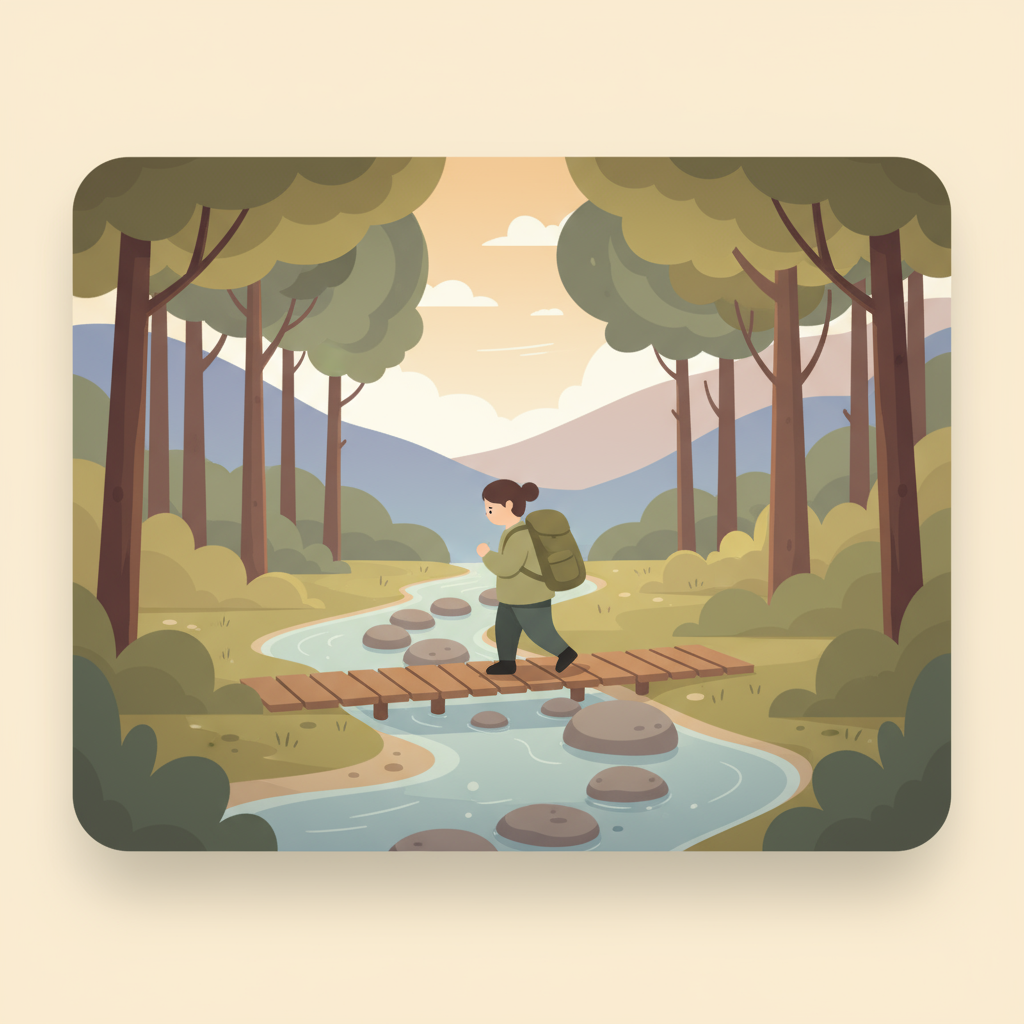
Spending time outdoors is a joy for many people, but each visit can impact the environment in small or big ways, often without us realizing it. How do you enjoy nature without leaving marks that harm plants, animals, or the land itself?
The answer lies in practicing Leave No Trace— a set of thoughtful habits that reduce your footprint while you explore. These habits ensure that natural spaces stay beautiful and thriving for future visitors and wildlife alike.
In this article, we’ll explore simple daily habits that outdoors enthusiasts like you can adopt to make Leave No Trace a natural part of your outdoor routine, making stewardship easy and meaningful.
Your 3 Daily Habits to Practice Leave No Trace
Habit 1 — Plan Ahead and Prepare
Why: To practice leave no trace, preparation reduces surprises that can disrupt nature.
How: Before any outdoor trip, research your destination’s rules, weather, and terrain. Pack thoughtfully, bringing reusable containers and tools to minimize waste.
Cue: Planning your trip calendar or prepping your backpack signals this habit.
Habit 2 — Stay on Durable Surfaces
Why: Walking and camping only on rocks, gravel, or established trails prevents damaging fragile plants and soil.
How: Make it a rule to always follow marked trails and camp in designated spots. Resist the temptation to explore off-trail or create new paths.
Cue: Seeing trail signs or your campsite layout reminds you to stick to established areas.
Habit 3 — Carry Out All Waste Properly
Why: Leaving no trash or food scraps behind helps protect wildlife and keep natural spaces clean.
How: Bring trash bags or containers, pack out all trash, and use proper methods for human waste disposal, such as digging catholes well away from water sources.
Cue: Packing up at the end of your trip and checking your gear for trash triggers this habit.
Week 1 Schedule
| Day | Practice |
|---|---|
| Monday | Research local park or trail rules before planning a weekend trip. |
| Wednesday | Prepare reusable containers and pack your leave no trace kit. |
| Friday | Walk a local trail focusing on staying on durable surfaces. |
| Saturday | During an outing, practice carrying out all trash and properly disposing of waste. |
| Sunday | Reflect on how these habits made your outing easier and more respectful to nature. |
Troubleshooting
Barrier: Forgetting to stay on trails or camp spots.
Fix: Use physical trail markers and set reminders on your phone to practice staying on durable surfaces during outings to help build this practice into your routine of how to practice leave no trace.
Barrier: Carrying too much disposable gear that creates waste.
Fix: Before every trip, review your packing list and swap disposables for reusable items to reduce trash and support learning to practice leave no trace effectively.
Barrier: Not knowing how to properly dispose of human waste.
Fix: Educate yourself with simple guides or courses about waste disposal techniques. Carry essential tools like trowels to make this part of how to practice leave no trace easier.
FAQs
Q: What if there are no marked trails in the area where I hike?
A: When practice leave no trace in undeveloped areas, choose durable surfaces such as rock or packed dirt and avoid sensitive vegetation. Walk single file when crossing areas to minimize impact.
Q: How can I dispose of food scraps while camping?
A: Practice leave no trace by packing out all food scraps whenever possible. Avoid burying scraps as they can attract wildlife and disrupt natural feeding patterns.
Q: Can I collect natural souvenirs like rocks or pinecones?
A: It is best to leave natural items undisturbed to preserve the environment and for others to enjoy. Practicing how to practice leave no trace means appreciating nature without taking from it.
Tracking & Motivation Tips
Keep a simple journal or use an app to track each outdoor trip’s focus on practicing leave no trace. Celebrating small wins like a trash-free campsite or sticking to trails helps motivate continued care. Sharing your successes with fellow outdoors enthusiasts also encourages accountability and community support.
Key Takeaways for Practicing Leave No Trace
Practice leave no trace by adopting simple daily habits like planning ahead, staying on durable surfaces, and responsibly managing waste. These habits make a big difference when done consistently and ensure you protect the natural spaces you love to visit. With mindful effort, how to practice leave no trace becomes second nature, letting you enjoy the outdoors while caring for it deeply.
Join the Waitlist
Ready to put these habits into action? Dayspire helps you reach any goal with simple daily habits. Join the waitlist now to be the first to get invited to Dayspire!