
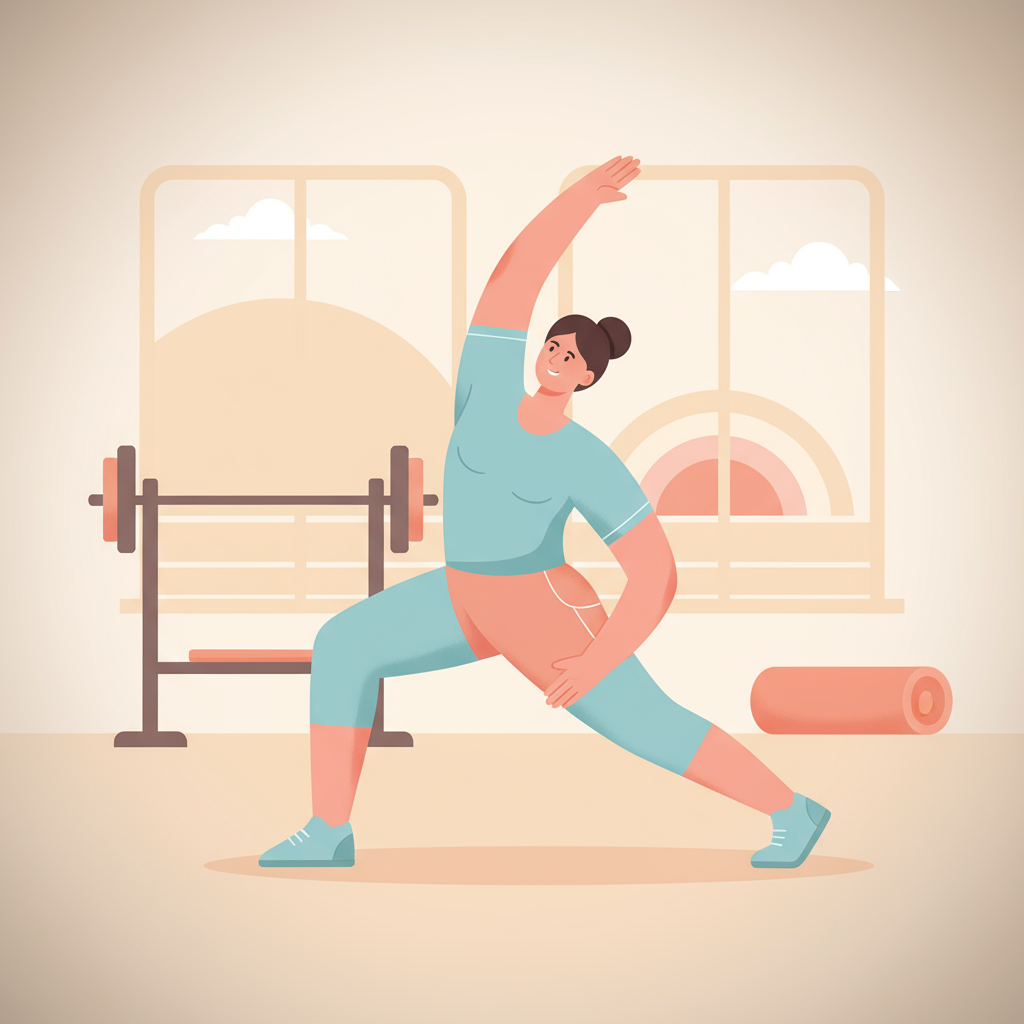
If you are a fitness junkie, muscle soreness can sometimes hold you back from performing your best or enjoying your workouts. Post-exercise muscle soreness is common, but it can be frustrating and even limit your range of motion if not managed well.
The good news is that by incorporating a few simple daily habits focused on recovery, you can greatly reduce how sore your muscles feel and speed up healing. These habits involve nutrition, hydration, and muscle care techniques that fit easily into your daily routine.
By adopting these habits consistently, you will not only reduce muscle soreness but also improve your overall fitness progress and avoid injury. Let’s explore how you can use simple daily habits to reduce muscle soreness and keep moving forward.
Your 3 Daily Habits to Reduce Muscle Soreness
Habit 1 — Prioritize Proper Nutrition
Why: Nutrition plays a vital role in muscle recovery. Muscles repair themselves using protein, while carbohydrates restore your energy. Eating well reduces soreness and supports muscle growth.
How: Include high-quality proteins like lean chicken, fish, or plant-based options throughout your day, with a focus on meals around your workout times. Add carbohydrates such as vegetables, quinoa, or sweet potatoes to replenish glycogen.
Cue: Plan your meals or snacks before and after workouts so you don’t go hungry and your muscles always have the fuel they need.
Habit 2 — Hydrate Consistently
Why: Staying hydrated flushes out muscle waste products and reduces soreness. Dehydration makes soreness feel worse and recovery slower.
How: Drink water regularly throughout the day, aiming for at least 8 ounces every 15 to 30 minutes during workouts. After exercising, replenish fluids especially if you’ve lost weight through sweat.
Cue: Carry a water bottle and set hydration reminders on your phone or with fitness trackers.
Habit 3 — Warm Up, Cool Down, and Use Foam Rolling
Why: Proper warm-ups prepare muscles for exercise and reduce injury risk. Cooling down prevents fluid buildup in muscles. Foam rolling loosens tight muscles, increases blood flow, and speeds recovery.
How: Spend 10-15 minutes warming up with light cardio and dynamic stretches before exercise. After workouts, cool down with slower activity and static stretches, then spend 10-15 minutes foam rolling the major muscle groups involved.
Cue: Keep your foam roller handy by your workout space. Make warm-ups and cool-downs part of your regular routine so they become automatic.
Week 1 Schedule
| Day | Focus | Details |
|---|---|---|
| Monday | Workout + Recovery | Workout with warm-up, cool down, foam rolling, protein-rich meals, hydration reminders |
| Tuesday | Active Recovery | Light activity, hydration, balanced meals, gentle stretching, foam rolling as needed |
| Wednesday | Workout + Recovery | Repeat Monday’s routine focusing on warm-up, cool down, nutrition, and hydration |
| Thursday | Rest Day | Stay hydrated, eat balanced meals, light stretching, optional foam rolling |
| Friday | Workout + Recovery | Follow warm-up, cool down, hydration, eating, and foam rolling routine |
| Saturday | Active Recovery | Stretching, foam rolling, hydration, balanced nutrition |
| Sunday | Rest Day | Hydrate well, eat well, rest muscles |
Troubleshooting
Barrier: Forgetting to hydrate enough during busy days.
Fix: Use reminders or hydration apps to increase your water intake and carry a water bottle everywhere.
Barrier: Skipping warm-ups or cool-downs because of time constraints.
Fix: Shorten these to 5–7 minutes but never skip fully; even quick sessions can improve muscle readiness and reduce soreness.
Barrier: Inconsistent foam rolling because it feels uncomfortable.
Fix: Start slow, focus on less sensitive areas first, and use foam rolling as a gentle massage rather than deep pressure to build tolerance.
FAQs
Q: Can I still work out when my muscles feel sore?
A: Yes, mild muscle soreness is normal and you can do light activity, but avoid intense workouts on very sore muscles to prevent injury. Use these daily habits to reduce muscle soreness before your next session.
Q: How long should I wait between workouts to let muscles recover?
A: Recovery time varies by workout intensity and muscle group. Generally, 24 to 48 hours is sufficient. Incorporate active recovery days with these daily habits to stay consistent with your routine.
Q: Do supplements help reduce muscle soreness?
A: Supplements like protein powder and creatine can support recovery, but basic habits like nutrition, hydration, warming up, and foam rolling are more essential daily actions to reduce muscle soreness.
Tracking & Motivation Tips
Tracking your daily hydration, nutrition, and recovery routines can help you stay consistent with habits that reduce muscle soreness. Use apps or journals to note water intake, meals with protein and carbs, and whether you completed your warm-up, cool-down, and foam rolling. Celebrate progress by noticing how your soreness decreases and workout performance improves, motivating you to keep these habits daily.
Key Takeaways to Reduce Muscle Soreness With Your Daily Habits
Reduce muscle soreness by eating balanced meals rich in protein and carbohydrates, staying well-hydrated, and caring for your muscles using warm-ups, cool-downs, and foam rolling. These simple daily habits not only speed recovery but also help you stay consistent with your fitness goals. Embrace these habits as part of your routine for more comfortable workouts and faster progress.