
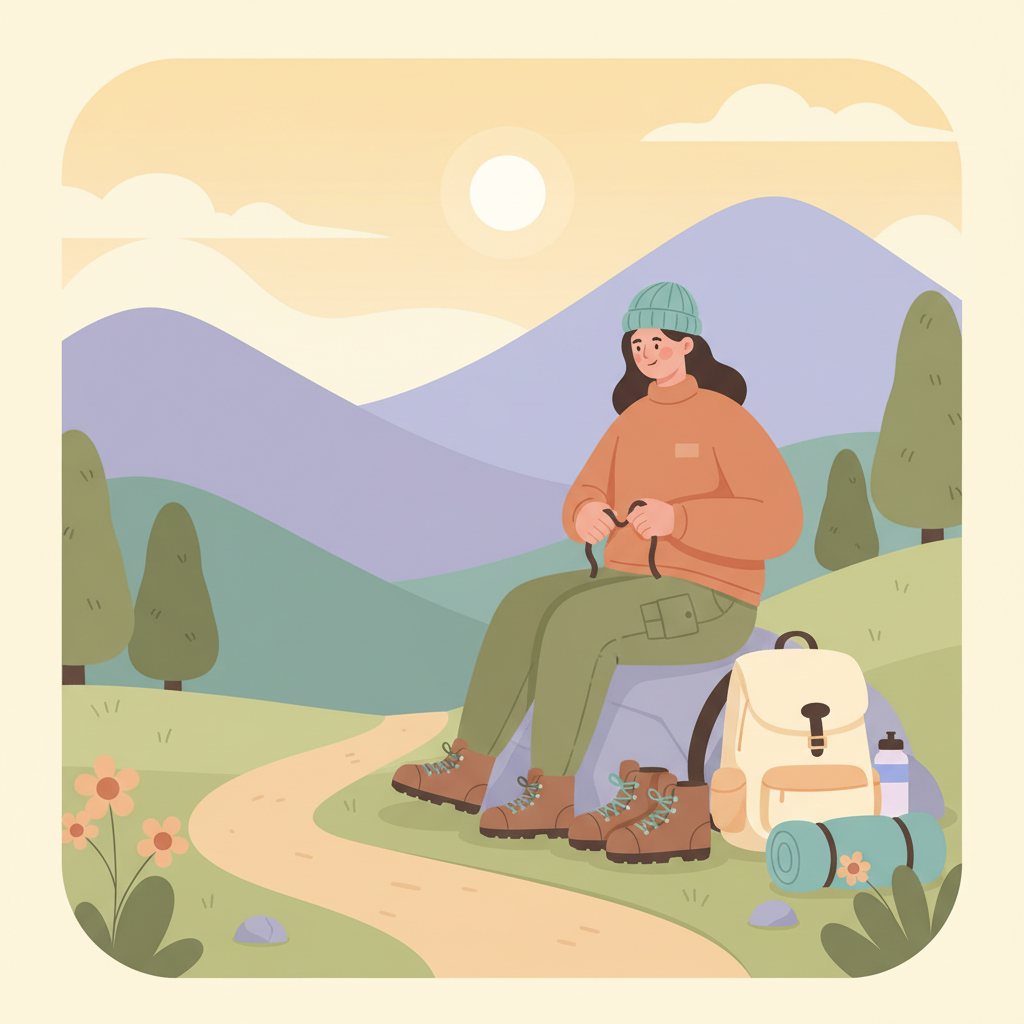
Planning solo hikes can feel intimidating. You want to explore mountains on your own but worry about safety and preparation.
Luckily, by adopting simple daily habits focused on planning and preparation, you can build the confidence and skills to make your solo hikes enjoyable and safe.
This article shares easy-to-follow daily habits that mountain lovers can start right now to smoothly plan solo hikes with peace of mind.
Your 3 Daily Habits to Plan Solo Hikes
Habit 1 — Research Your Route Every Day
Why: When you plan solo hikes, knowing your route is crucial for safety and enjoyment.
How: Spend 10 minutes each day reviewing trail maps, weather forecasts, and trail reports online.
Cue: Look up trail information right after breakfast or first thing in the morning.
Habit 2 — Pack And Check Gear Daily
Why: Consistently preparing your gear helps avoid last-minute forgetfulness and ensures you have what you need for solo hiking.
How: Each evening, double-check your backpack essentials—navigation tools, first aid, water, food, and clothing.
Cue: Make this part of your nightly routine, like brushing your teeth.
Habit 3 — Visualize Your Solo Hike and Safety Plan
Why: Visualization improves confidence and readiness, reducing anxiety linked to solo hiking.
How: Spend a few minutes imagining the hike—what challenges you might face and how you will handle them.
Cue: Do this just before bed or during a quiet moment in your day.
Week 1 Schedule
| Day | Task |
|---|---|
| Monday | Research one new trail and note key features |
| Tuesday | Check and organize hiking gear |
| Wednesday | Visualize hiking safety scenarios |
| Thursday | Review weather forecasts for chosen trail |
| Friday | Pack backpack and check items list |
| Saturday | Revisit trail map and plan timing |
| Sunday | Rest and mentally rehearse your plan |
Troubleshooting
Barrier: Overwhelmed by too much trail information
Fix: Narrow your focus to one trail each day and use reliable sources to avoid confusion when you plan solo hikes.
Barrier: Forgetting to check gear regularly
Fix: Attach your gear check to a daily habit you already have, like before bed, to make it easier to remember.
Barrier: Feeling nervous about solo hiking
Fix: Use your visualization habit to build confidence and mentally prepare for challenges step-by-step.
FAQs
Q: How detailed should my route research be?
A: When you plan solo hikes, focus on key landmarks, water sources, elevation changes, and emergency exits to stay safe while keeping your prep manageable.
Q: What gear is essential for solo hiking?
A: Essentials include a map and compass or GPS, first aid kit, enough water and food, appropriate clothing, and a communication device for emergencies.
Q: How can I stay motivated to keep up daily habits?
A: Remind yourself that daily practice builds your confidence for solo adventures, and celebrate small wins as your plan develops.
Tracking & Motivation Tips
Use a simple journal or app to track your daily habits around planning solo hikes. Note what you researched, gear checked, and visualized. Seeing daily progress keeps motivation high and shows you how your planning skills grow over time.
Key Takeaways for Planning Solo Hikes
When you plan solo hikes with daily habits like route research, gear checks, and visualization, you build safety, confidence, and enjoyment. Consistency is key, and simple routines will help you overcome fear and be ready for your mountain adventures.