
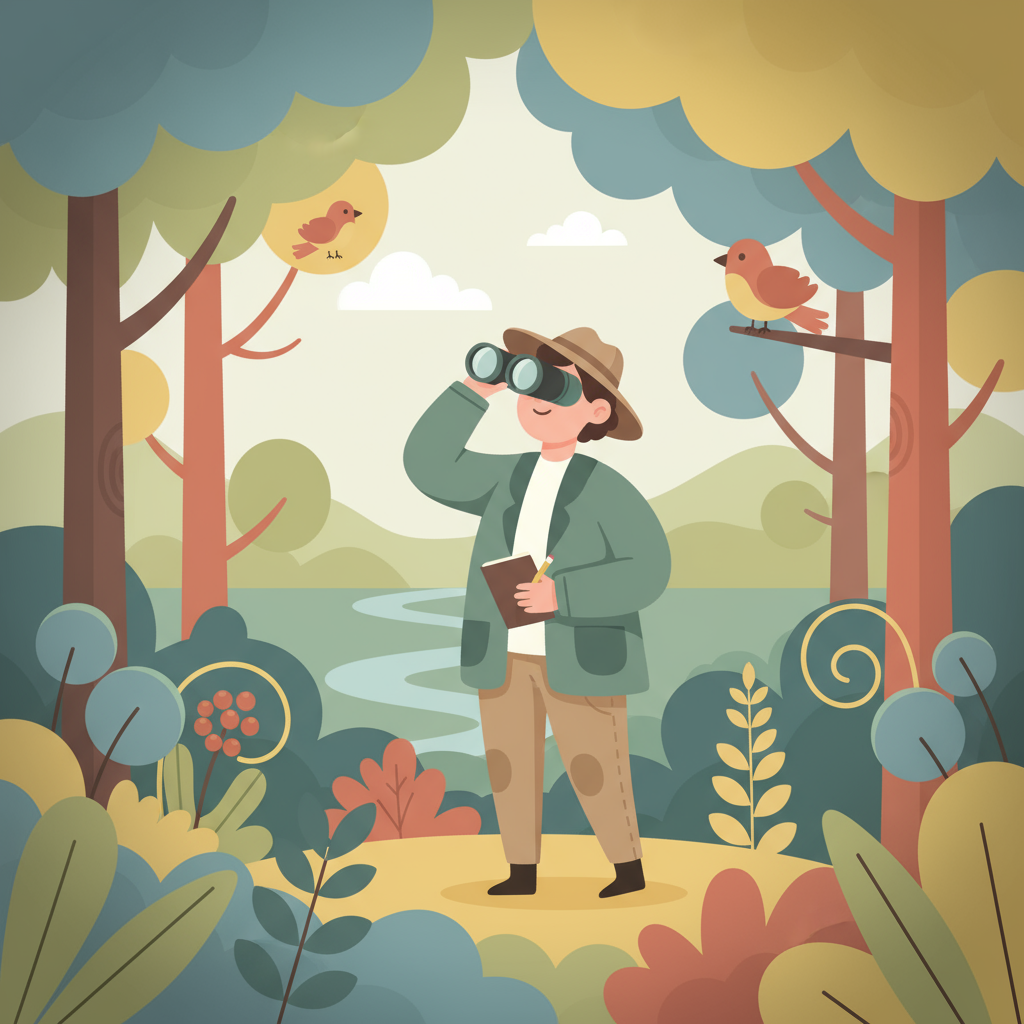
Do you love spending time outdoors but find it tricky to identify the local species you encounter? It can be overwhelming to recognize the animals, plants, or insects you see around you because nature is full of surprises.
The good news is that by cultivating a few simple daily habits, you can sharpen your skills and become a confident wildlife observer right in your neighborhood. These habits make the process enjoyable, manageable, and rewarding.
In this article, we’ll explore simple daily habits that help wildlife enthusiasts identify local species effectively. You will learn easy ways to connect deeper with nature and bring more wonder to your outdoor adventures.
Your 3 Daily Habits To Identify Local Species
Habit 1 — Observe and Record Details
Why: To identify local species accurately, noticing and remembering details like size, color, shape, and behavior is essential.
How: Carry a small nature journal or use a note app on your phone. After spending time outside, jot down what you saw — the colors, patterns, sounds, and any unusual traits.
Cue: Use your daily walk or outdoor time as a trigger to observe and record something new.
Habit 2 — Use Identification Tools Daily
Why: Utilizing field guides, apps, and online resources daily helps you link your observations to actual species names and facts.
How: Spend 5-10 minutes each day exploring trusted tools like iNaturalist, BugGuide, or bird identification apps. Match your notes or photos with the species suggestions these tools offer.
Cue: Pair this habit with your morning or evening routine, making it a daily study practice.
Habit 3 — Practice Patience and Stillness Outdoors
Why: Many species reveal themselves only when you move slowly and quietly without disturbing their environment.
How: When outdoors, take moments to sit or stand quietly, listen carefully to sounds, and watch subtle movements around you. The more still and patient you are, the better your chances of identifying elusive wildlife.
Cue: Before you check your phone or leave your observation spot, remind yourself to pause and be still for at least five minutes.
Week 1 Schedule
| Day | Activity |
|---|---|
| Monday | Take a 15-minute walk outdoors and observe any wildlife or plants. Record three details in your journal. |
| Tuesday | Explore an identification app or website for 10 minutes focusing on the species you recorded Monday. |
| Wednesday | Go outside, find a comfortable spot, and spend 5 minutes being silent and still, watching for movement or sounds. |
| Thursday | Review your notes and try to match your observations with pictures or descriptions using your chosen identification resource. |
| Friday | Take a longer outdoor walk and try to identify one new species using binoculars or a hand lens if possible. |
| Saturday | Join an online wildlife community or forum and share your observations or questions for feedback. |
| Sunday | Reflect on your week’s observations and note any improvements or questions for next week. |
Troubleshooting
Barrier: Difficulty remembering details or feeling unsure what to look for.
Fix: Use a checklist or template in your journal with prompts for size, color, movement, and habitat to guide your attention while observing.
Barrier: Overwhelm when faced with too many identification resources.
Fix: Start with one trusted app or website and explore deeper only after you feel comfortable with the basics of identification.
Barrier: Getting distracted or impatient while trying to be still outside.
Fix: Set a timer to build your stillness gradually, starting with one minute and increasing by a minute each day.
FAQs
Q: What is the best time of day to observe wildlife for identification?
A: Dawn and dusk are often the best times when many animals are most active, increasing your chances to observe and identify local species.
Q: Do I need expensive equipment to identify local species?
A: Not necessarily. A basic pair of binoculars and a smartphone with identification apps are great starters. Many identification tools are free and accessible.
Q: How can I avoid disturbing wildlife while observing them?
A: Practice patience and move slowly and quietly. Maintain a respectful distance and avoid making sudden movements or loud noises.
Tracking & Motivation Tips
Keep your motivation strong by tracking your daily efforts to identify local species. Set small, achievable goals and celebrate each discovery or new identification. Share your observations with friends or online wildlife groups to stay connected and inspired. Remember, every moment you spend practicing these habits builds your skills and appreciation for the natural world around you.
Key Takeaways For Identifying Local Species With Daily Habits
Identifying local species becomes easier and more enjoyable when you develop the simple daily habits of observing carefully, using helpful tools regularly, and practicing stillness outdoors. By embracing these habits, wildlife enthusiasts unlock deeper connections with nature and improve their identification skills effectively over time. Remember to be patient with yourself and enjoy the adventure of discovery.