For foodie explorers, developing wine tasting skills can feel both exciting and intimidating. With so many flavors, aromas, and sensations to understand, where do you begin?
The good news is that developing wine tasting can be greatly enhanced using simple, intentional daily habits. These small practices help tune your senses, build your wine vocabulary, and improve your confidence in evaluating wines.
By committing to these easy daily habits, you will find yourself appreciating wine at a deeper level and unlocking new enjoyment in your culinary adventures.
Your 3 Daily Habits For Developing Wine Tasting
Habit 1 — Daily Aroma Exploration
Why: Aroma is a key part of developing wine tasting, accounting for up to 80% of what you perceive as flavor. Training your nose regularly sharpens your ability to detect subtle scents in wine.
How: Spend a few minutes every day smelling common aromatic items like spices (clove, pepper), herbs (mint, rosemary), fruits (apple, cherry), or flowers (jasmine, rose). Use an aroma wheel or journal to name and differentiate these smells.
Cue: Place a small basket of aromatic objects or spices on your kitchen counter as a reminder.
Habit 2 — Slow Wine Savoring
Why: Slowing down your wine drinking encourages your mouth and nose to fully experience developing flavors, improving your palate’s sensitivity.
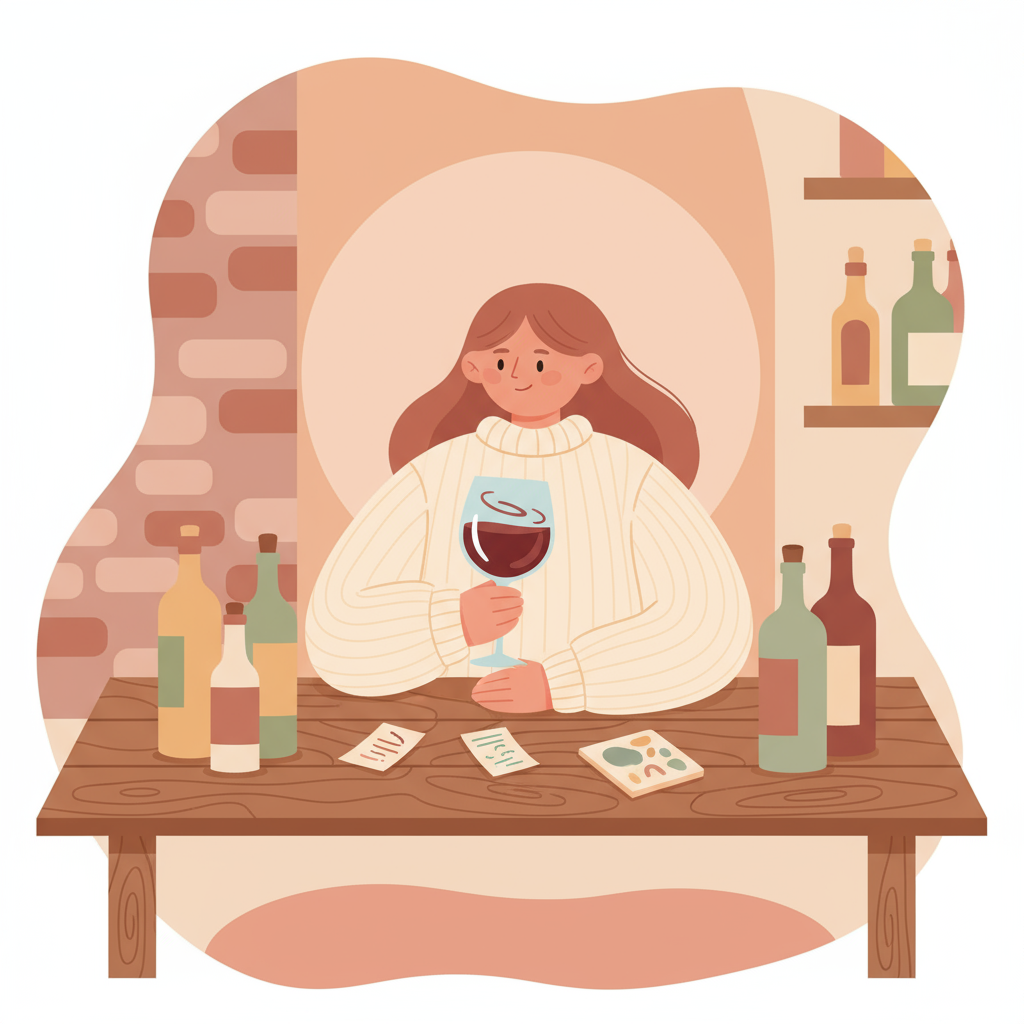
How: When having a glass of wine, swirl it gently to release aromas, take slow sips letting the wine coat your mouth, and pause between tasting to notice changes over time.
Cue: Use a timer or reminder to take at least 3 deep breaths before you sip wine.
Habit 3 — Regular Comparative Wine Tasting
Why: Tasting wines side-by-side (in flights) highlights differences and similarities, helping you quickly develop a mental catalog of flavors and characteristics.
How: Arrange small tastings of 2-3 varietals or styles (for example, unoaked vs. oaked Chardonnay, or Pinot Noir vs. Cabernet Sauvignon), and compare your observations in a journal.
Cue: Set a weekly schedule to try a new wine flight and invite a friend or join a tasting group.
Week 1 Schedule
| Day | Habit Focus | Activity |
|---|---|---|
| Monday | Daily Aroma Exploration | Smell 5 spices/herbs and write down your impressions |
| Tuesday | Slow Wine Savoring | Enjoy a glass of white wine slowly, noting aromas and mouthfeel |
| Wednesday | Daily Aroma Exploration | Smell fruits and flowers commonly found in wines, note differences |
| Thursday | Comparative Wine Tasting | Taste a flight of two red wines and compare body and tannin |
| Friday | Daily Aroma Exploration | Review your aroma journal and quiz yourself |
| Saturday | Slow Wine Savoring | Enjoy a glass of sparkling wine slowly to notice subtle bubbles and acidity |
| Sunday | Rest or Reflect | Review your weekly notes and plan next week’s tastings |
Troubleshooting
Barrier: Difficulty identifying scents or flavors.
Fix: Start with familiar aromas from your daily environment to build confidence before moving to obscure wine notes. Use aroma wheels and journals for structured practice.
Barrier: Rushing through wine tasting without much attention.
Fix: Set specific reminders to slow down and consciously taste your wine. Practicing mindfulness can help you focus on present sensations.
Barrier: Overwhelmed by tasting too many wines at once.
Fix: Limit tastings to 2-3 wines per session and take breaks with water and plain crackers to avoid palate fatigue.
FAQs
Q: How long does it take to develop wine tasting skills?
A: With consistent daily habits, you can notice improvements within a few weeks, but mastery takes months to years of practice and tasting.
Q: Can I develop wine tasting skills without drinking alcohol daily?
A: Yes. Non-alcoholic wine or aroma exercises alone can help train your palate effectively without daily alcohol consumption.
Q: What is the best way to remember wine aromas?
A: Regularly smelling common items (fruits, spices, flowers) and journaling your descriptors will build your sensory memory and wine vocabulary.
Tracking & Motivation Tips
Keep a dedicated wine tasting journal to track your daily aroma exercises, tasting notes, and new discoveries. Note your initial impressions and how they evolve over time. Celebrate small wins like identifying a new aroma or recognizing a grape varietal. Sharing your progress with fellow foodie explorers or in virtual tasting groups keeps motivation high and learning fun.
Key Takeaways For Developing Wine Tasting
Developing wine tasting is a rewarding journey that improves with simple daily habits. Daily aroma exploration, slow savoring, and comparative tastings will sharpen your palate and deepen your wine appreciation. Overcoming challenges by pacing yourself and using tools like aroma wheels and journals helps you grow more confident. Consistent practice is the secret to turning an enthusiastic foodie explorer into a skilled wine taster.