
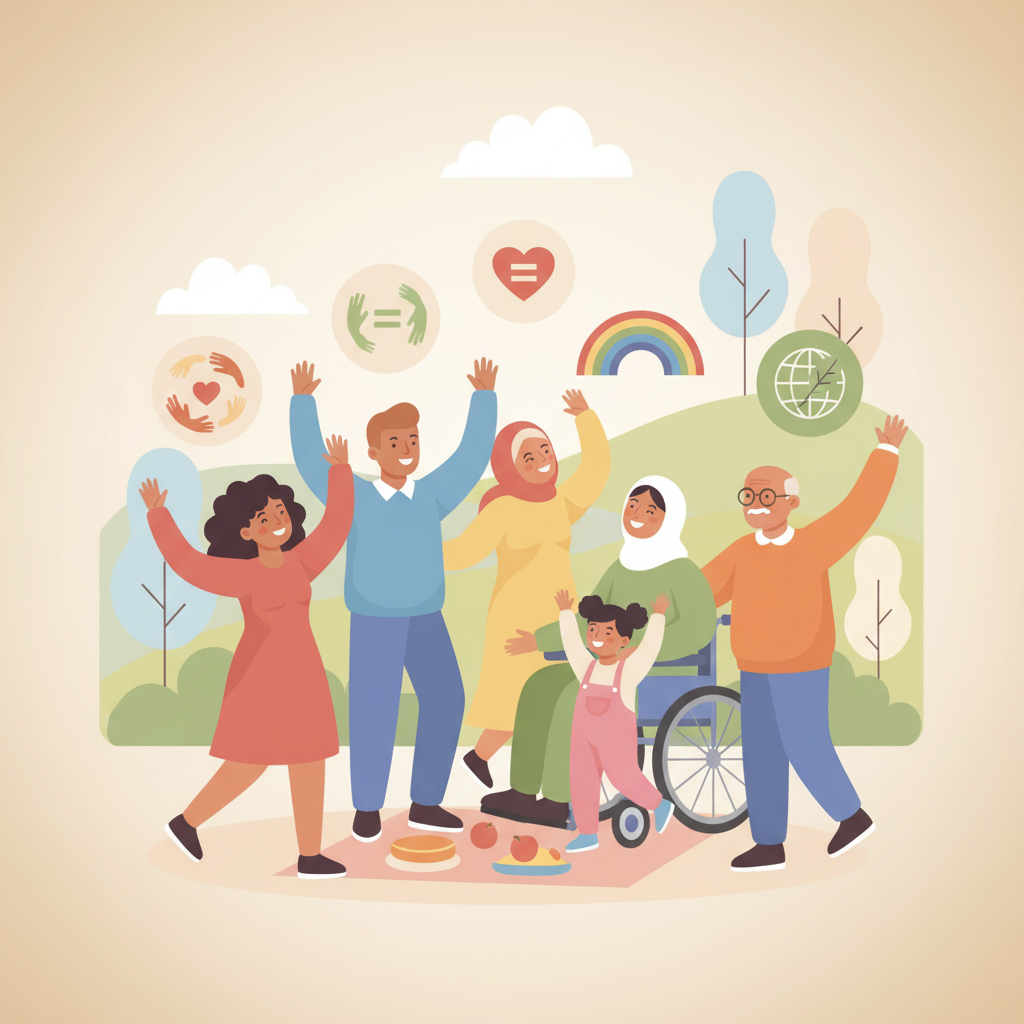
Throwing a celebration that everyone feels truly welcome to can feel like a big challenge. You want your gatherings to be fun, warm, and inclusive — but where do you even start?
The good news is that creating inclusive gatherings doesn’t have to be complicated. With some intentional focus on a few simple daily habits, you can become the kind of celebrator who naturally brings people together in open, respectful, and joyful ways.
In this article, you’ll discover easy steps to build inclusion into your event planning and hosting — so you can foster meaningful connections and a sense of belonging every time you gather.
Your 3 Daily Habits to Build Inclusive Gatherings Habits
Habit 1 — Learn and Reflect on Diversity
Why: Inclusive gatherings start with understanding the variety of differences people bring — like culture, age, ability, and perspectives. This awareness guides your choices so no one feels left out.
How: Dedicate a short time daily to learn something new about different cultures, accessibility needs, or community groups. Reflect on how this knowledge could improve your future gatherings.
Cue: Set a reminder during your morning routine or lunch break to read a quick article, watch a brief video, or listen to a podcast episode focused on diversity or inclusion.
Habit 2 — Think Through Your Guest List and Invitations
Why: Inclusivity begins by inviting a diverse mix and making all guests feel genuinely wanted and valued.
How: When planning an event, take time to consider who is usually missing and reach out intentionally to include those voices or perspectives. Use language in invitations that welcomes everyone clearly and warmly.
Cue: Before sending any invitation, pause and ask yourself if the invite feels open and respectful to all. Make small notes about who might be left out and plan ways to invite them.
Habit 3 — Prepare Your Environment and Activities Thoughtfully
Why: How you set up space and plan activities can either welcome everyone or create barriers.
How: Check accessibility like seating arrangement, lighting, or food options daily if you’re organizing events regularly. Include options for varied dietary needs, quiet spaces for breaks, or name tags with pronouns to make inclusion easy.
Cue: Keep a checklist or template ready that you review every time you plan an event, making sure all accessibility and inclusivity points are covered.
Week 1 Schedule
| Day | Focus | Action |
|---|---|---|
| Monday | Learn & Reflect | Watch a 5-minute video on diversity in gatherings |
| Tuesday | Guest List | Review past guest lists and note groups to include next time |
| Wednesday | Environment | Check accessibility features in your venue or home setup |
| Thursday | Learn & Reflect | Read a short article on cultural sensitivity in events |
| Friday | Guest List | Draft an inclusive invitation with welcoming language |
| Saturday | Environment | Create a checklist of dietary options and quiet spaces |
| Sunday | Review & Plan | Reflect on what you learned and set goals for your next event |
Troubleshooting
Barrier: Feeling overwhelmed by the amount of inclusive planning needed.
Fix: Break down inclusivity into small daily habits like learning and reflection. Consistency makes progress manageable and sustainable.
Barrier: Not knowing enough about guests’ needs or preferences.
Fix: Ask guests directly or include optional pre-event surveys to learn preferences. Use this information to refine your daily habits and event prep.
Barrier: Budget or resource constraints limiting accessibility features.
Fix: Prioritize the most impactful and low-cost adjustments first, such as clear communication and flexible seating, then build inclusivity gradually.
FAQs
Q: How soon can I expect to see results from these inclusive gatherings habits?
A: Starting with daily habits helps build your awareness and skill steadily. You may notice more engaged and diverse guests within a few gatherings, but inclusion is a continuous journey.
Q: What if I make mistakes or offend someone unknowingly?
A: Everyone makes mistakes. The key is to listen sincerely, apologize, and learn. Your ongoing daily habits will improve your understanding and reduce errors over time.
Q: Can I apply these habits if I organize informal or family gatherings?
A: Absolutely! Inclusion is important in all gatherings, big or small. Adapting the habits to your setting helps create welcoming environments in everyday life.
Tracking & Motivation Tips
Use a simple journal or app to log your daily inclusive gatherings habits. Note what you learned, actions taken, and any positive feedback from your guests. Celebrate small wins like inviting someone new or adding an accessible feature. Tracking keeps your focus sharp and motivation strong, reminding you that every bit you do helps build inclusive gatherings.
Key Takeaways for Building Inclusive Gatherings Habits
Inclusive gatherings are shaped by intentional, simple daily habits focused on learning about diversity, thoughtfully including all guests, and preparing welcoming environments. With consistency, these focus areas naturally create celebrations where everyone feels they belong and are valued. Practice these daily habits, stay curious, and watch your gatherings become more inclusive and joyful with each event.