
Does your dog bark too much and disrupt your peace at home? Barking is a normal way dogs communicate, but it can quickly become a challenge for dog dads trying to enjoy calm home life.
The good news is that by understanding why dogs bark and using simple daily habits, you can significantly reduce your dog’s barking and create a more harmonious environment.
This guide will walk you through easy, research-backed daily habits that dog dads like you can start today to reduce dog barking without stress or punishment.
Your 3 Daily Habits to Reduce Dog Barking
Habit 1 — Identify and Manage Barking Triggers
Why: Understanding what causes your dog to bark puts you in control of managing those triggers and reducing unwanted barking.
How: Observe when and why your dog barks — is it a passerby outside, noises, or excitement? Use barriers like privacy film on windows or visual blocks like bamboo fencing to limit your dog’s view of triggers especially near fences.
Cue: Set a daily reminder to monitor your dog’s barking moments and adjust the environment accordingly.
Habit 2 — Use Positive Reinforcement to Reward Quiet Behavior
Why: Teaching your dog that calm, quiet behavior earns treats or affection encourages them to bark less.
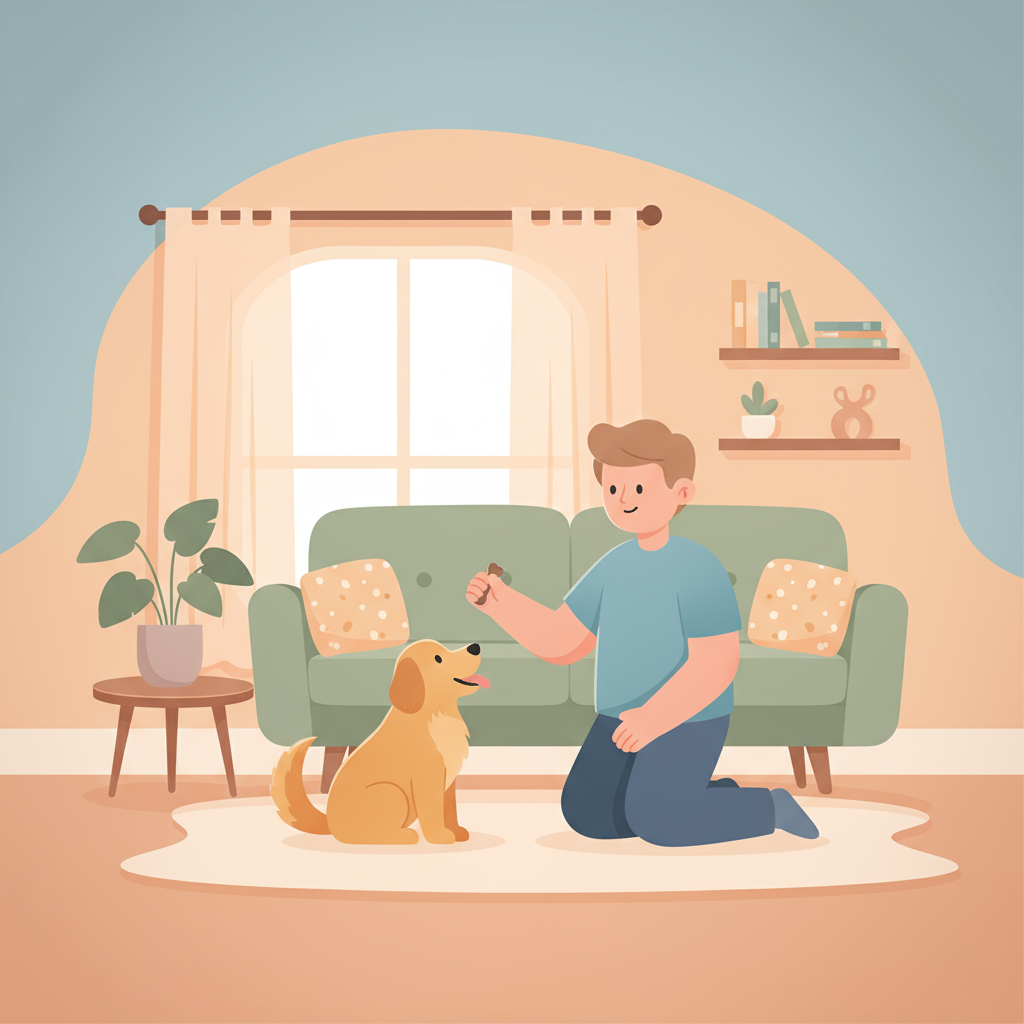
How: When your dog is quiet around typical triggers or stops barking on command, immediately reward them with tasty treats and praise. Use a calm verbal cue like “quiet” to signal desired behavior.
Cue: Always carry treats during walks or times your dog may bark and be ready to reward good behavior.
Habit 3 — Increase Mental and Physical Stimulation
Why: A bored or under-exercised dog often barks out of frustration or attention seeking.
How: Spend time daily engaging your dog with puzzle toys, treat-dispensing toys, or new training games. Also provide regular walks and play sessions to help expend energy.
Cue: Schedule consistent play and exercise times daily to keep your dog mentally and physically fulfilled.
Week 1 Schedule
| Day | Activity |
|---|---|
| Monday | Observe barking triggers; introduce privacy film near windows |
| Tuesday | Begin rewarding quiet behavior: use treats and calm “quiet” cue |
| Wednesday | Introduce new puzzle toy; walk and play 30 minutes |
| Thursday | Practice calm cue during trigger moments; reinforce with treats |
| Friday | Evaluate trigger management; adjust barriers if needed |
| Saturday | Extra play and mental games session |
| Sunday | Review progress; set plan for next week |
Troubleshooting
Barrier: Dog continues to bark despite environment management.
Fix: Increase the effectiveness of visual or auditory barriers and consistently reward quiet moments to build positive association and reduce barking triggers.
Barrier: Rewards don’t seem to stop excitement or territorial barking.
Fix: Be patient and consistent with positive reinforcement. Try shorter, more frequent training sessions and consider consulting a professional trainer for personalized guidance.
Barrier: Difficult to identify all barking triggers.
Fix: Keep a daily barking log noting times, circumstances, and surroundings to detect patterns; adjusting your approach accordingly.
FAQs
Q: Is punishing my dog for barking effective?
A: No. Punishment can increase stress and make barking worse. Positive reinforcement is proven to be more effective and healthier for your dog.
Q: How long does it take to see results from these habits?
A: With daily practice, many dog dads notice improvement within a few weeks, but consistency is key to lasting change.
Q: Can I use anti-bark devices?
A: It is generally not recommended as these devices can cause fear and anxiety. Focus on positive training methods instead.
Tracking & Motivation Tips
Track your dog’s quiet moments and progress daily using a simple journal or app. Celebrate even small wins to stay motivated with your efforts to reduce dog barking. Share progress with your vet or trainer for extra support and adjustments.
Key Takeaways to Reduce Dog Barking
Reducing dog barking is achievable by managing triggers, rewarding calm behavior, and fulfilling your dog’s mental and physical needs. Using these simple daily habits consistently will create a calmer home and a happier dog dad experience.